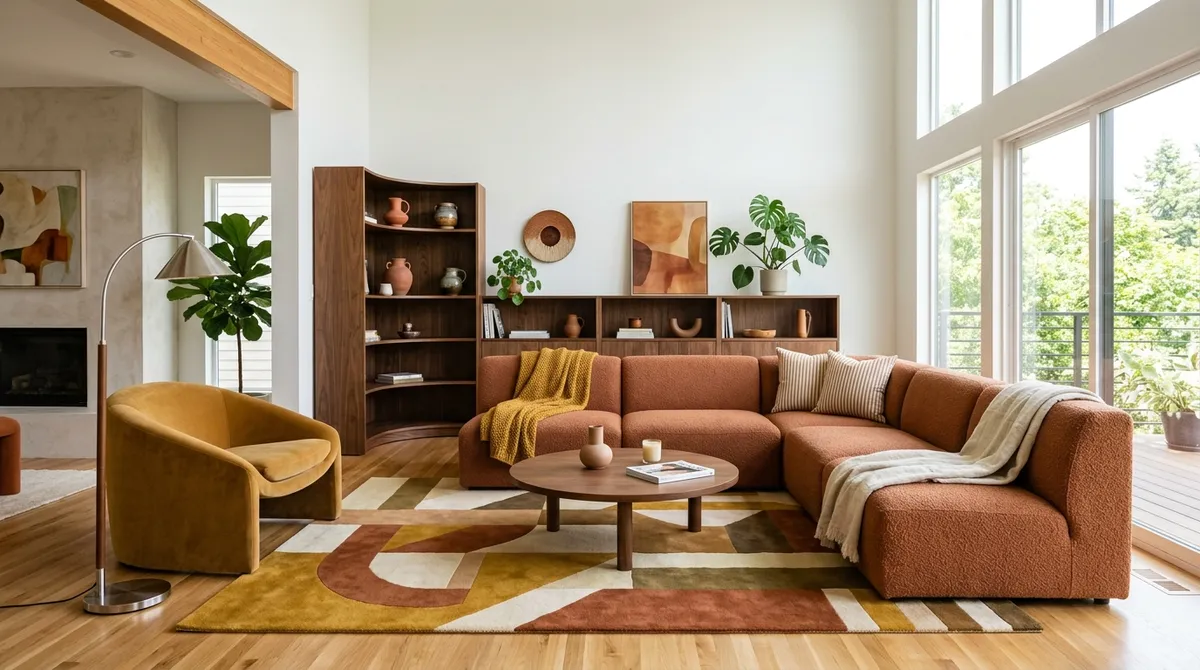
The 1970s were a decade of bold colors, eclectic patterns, and unique textures that left an indelible mark on interior design. As trends tend to cycle, the distinctive style of the 1970s is reemerging, promising to make a strong comeback by 2026. This resurgence is driven by a renewed appreciation for the individuality and vibrancy that characterized the era's aesthetic.
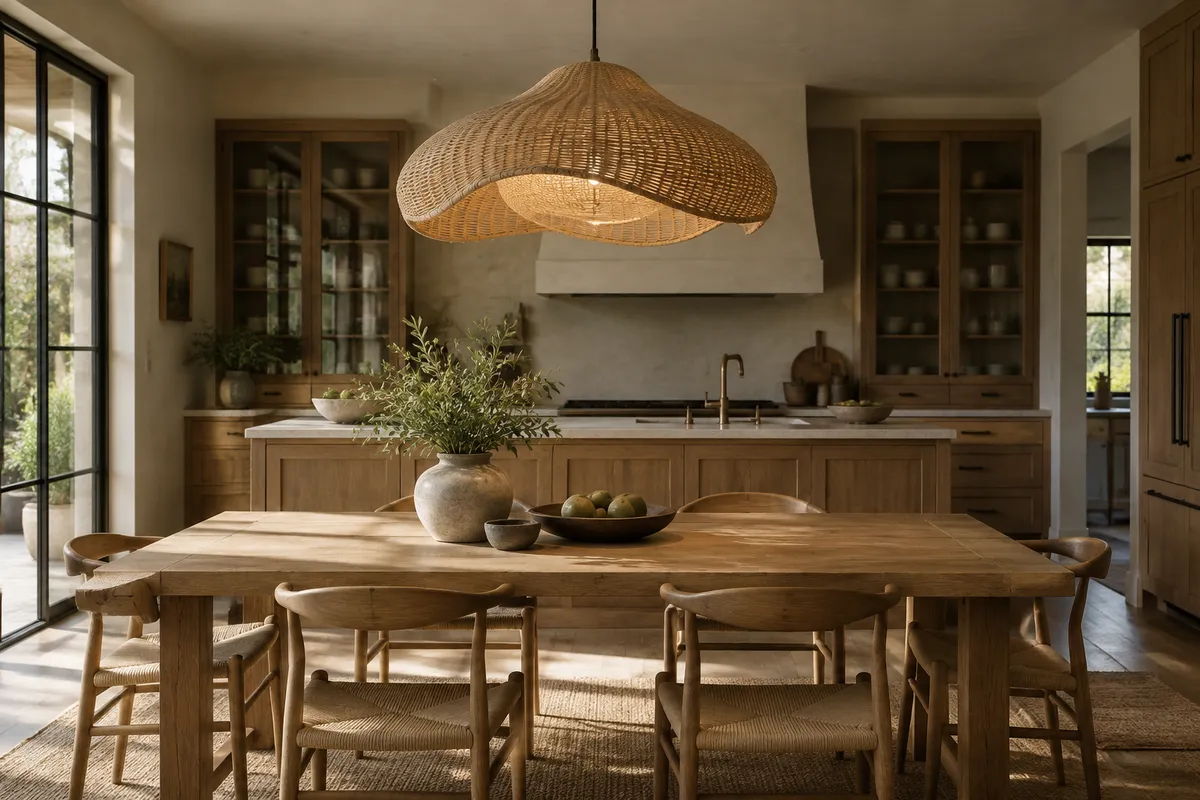
Understanding the appeal of 1970s decor involves delving into its defining elements. The decade was known for its rich color palette, featuring deep oranges, earthy browns, and mustard yellows. These colors created warm and inviting spaces, perfectly aligning with today's desire for cozy, lived-in homes. This era also embraced natural materials, with wood, rattan, and wicker taking center stage. These materials add a sense of authenticity and warmth, making them desirable in modern decor.
The Impact of Patterns and Textures
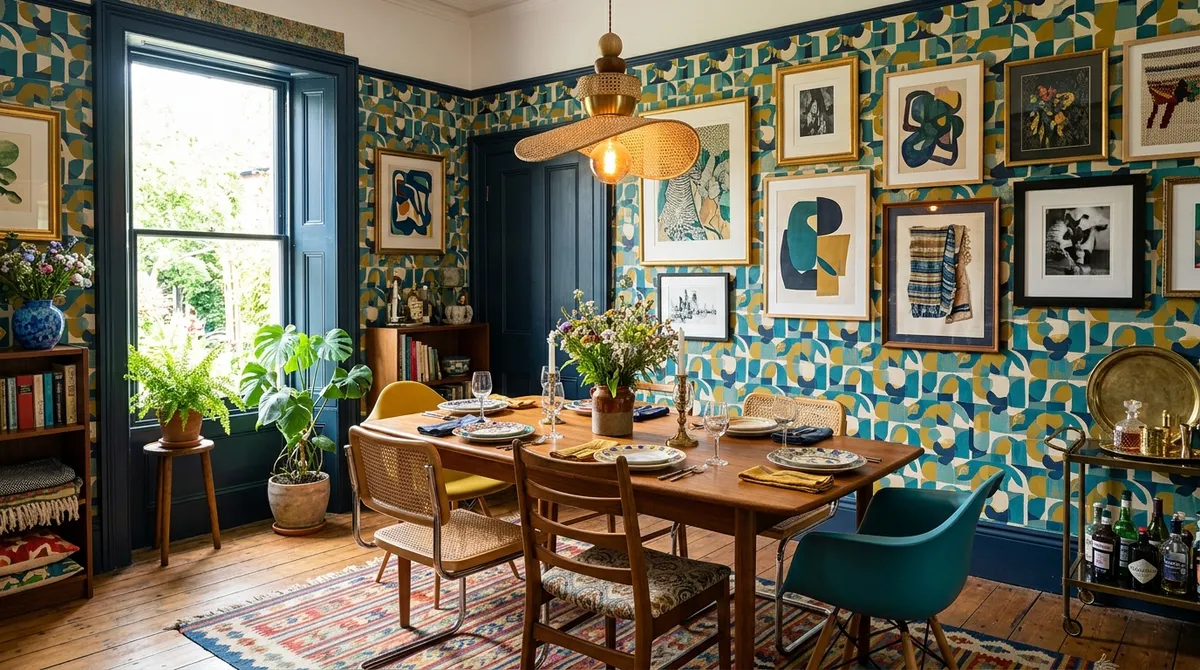
The 1970s were synonymous with bold patterns and textures that brought a dynamic feel to living spaces. Geometric shapes, floral motifs, and psychedelic prints were prevalent, often used in wallpapers and textiles. These designs injected personality and movement into interiors, a trend that resonates with contemporary desires for expression through home design. Moreover, the heavy use of texture, through shag rugs and macramé, added depth and intrigue, a feature that continues to captivate designers today.
Furniture and Functionality
Furniture from the 1970s was often characterized by its functionality and comfort. The era saw the rise of modular furniture, which offered flexibility and adaptability, meeting the needs of dynamic lifestyles. Low-slung couches, bean bags, and conversation pits became staples, emphasizing relaxation and interaction. This focus on comfort and utility is increasingly relevant, as homeowners seek to create multifunctional spaces that cater to various activities and lifestyles.
The Role of Technology
The 1970s introduced an array of technological advancements that influenced home design. Space-age aesthetics were popular, with futuristic shapes and materials making their way into the home. The fascination with technology extended to lighting, with unique fixtures like lava lamps and globe lighting becoming iconic. As technology continues to evolve, these retro elements are being reimagined with modern twists, offering a nostalgic yet innovative approach to home design.
Bringing 1970s Style Into Modern Homes
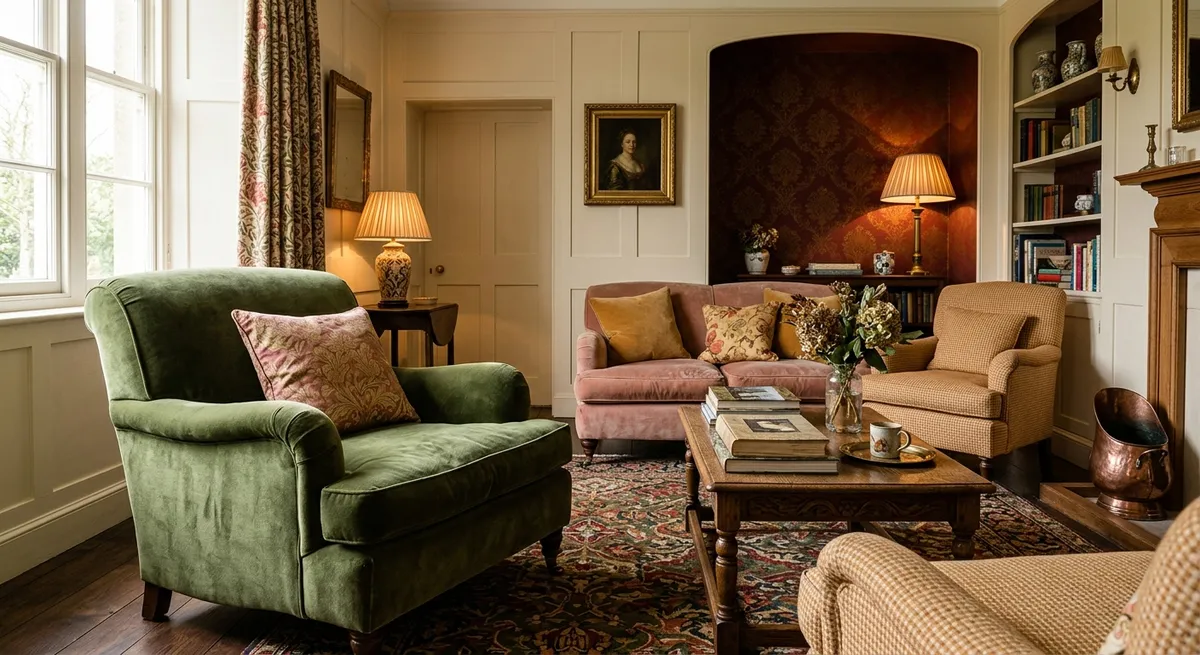
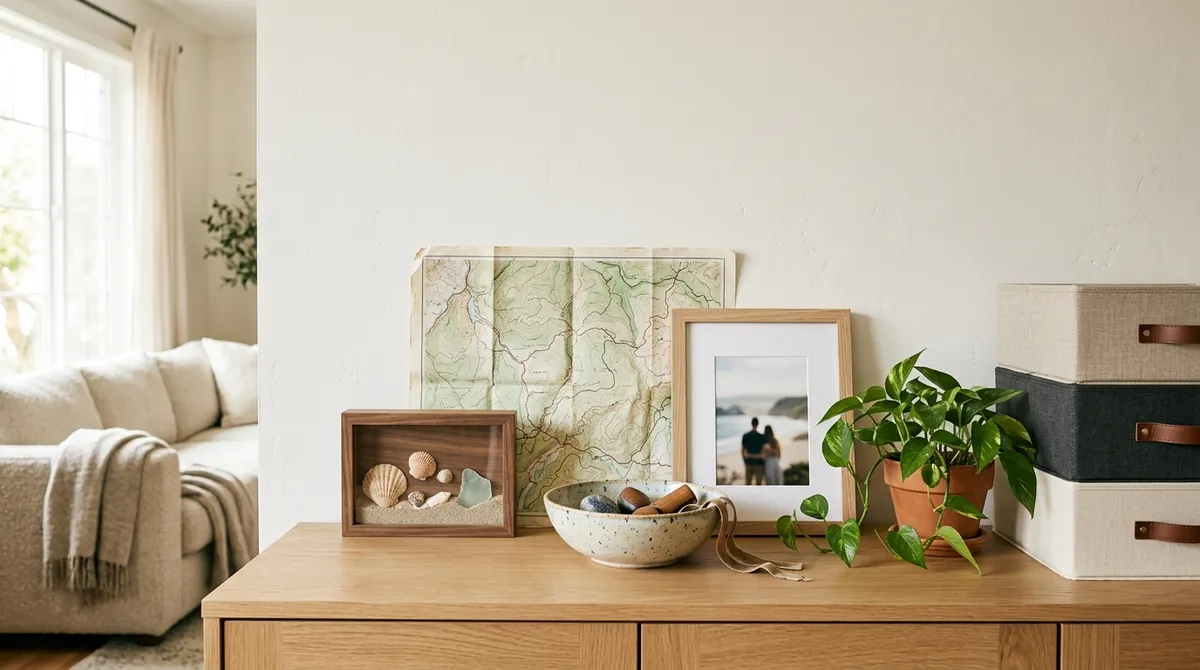
Incorporating 1970s style into modern homes involves a careful balance between retro and contemporary elements. Start by selecting a few key pieces that capture the essence of the era, such as a vintage coffee table or a bold-patterned rug. Complement these with modern touches to avoid overwhelming the space. Consider using 1970s-inspired colors in accent walls or through accessories like cushions and throw blankets. Mixing materials like leather, wood, and metal can also help achieve the desired vintage-modern blend.
The Future of 1970s Design
As we approach 2026, the influence of 1970s design is expected to grow stronger. Designers and homeowners alike are drawn to its playful yet sophisticated aesthetic, which offers a refreshing departure from minimalism. The era's emphasis on individuality and comfort aligns with current trends towards personalization and coziness in home design. Whether through bold colors, unique patterns, or functional furniture, the spirit of the 1970s is set to inspire a new generation of interiors.
Embracing the 1970s style is not just about recreating the past; it's about blending the best of bygone decades with the innovations of today. This fusion allows for endless creativity, ensuring that this iconic style remains relevant and exciting.