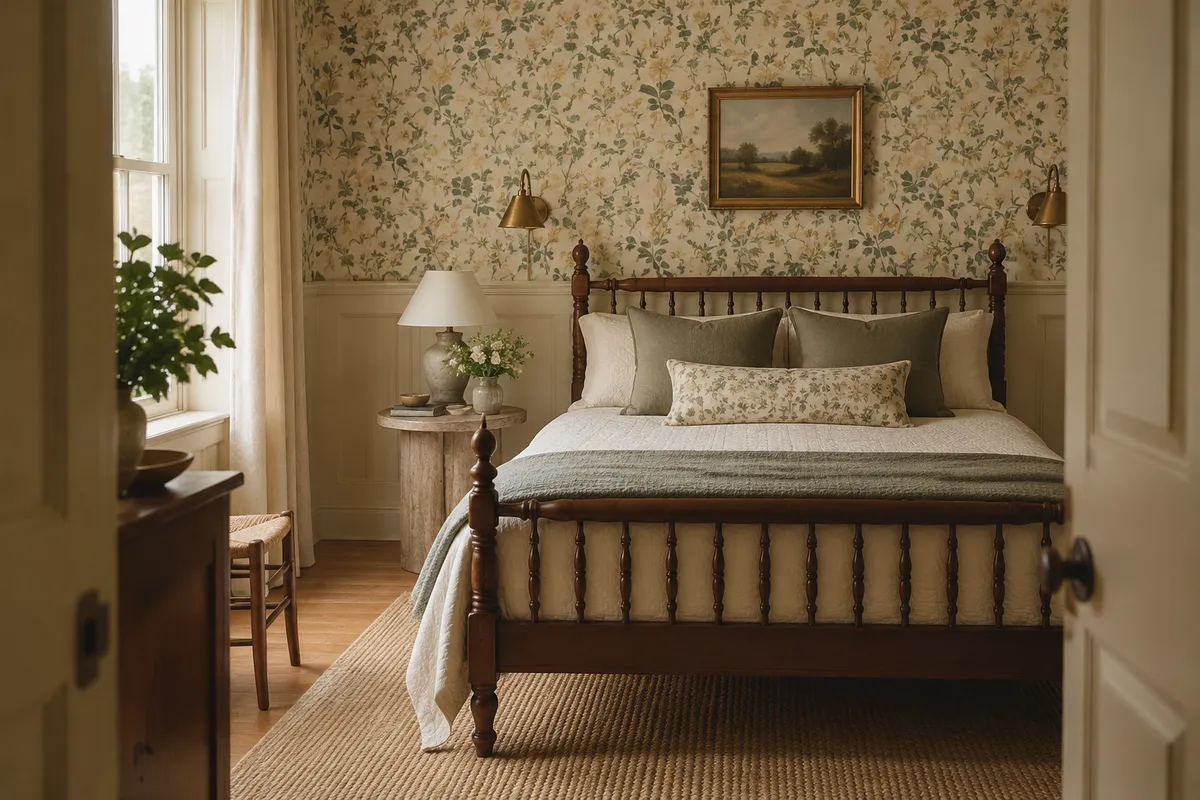
A newer or freshly renovated home can look clean and still feel a little blank. If that sounds familiar, a recent project from designer Emily Ruff shows how to fix it. Below are the design moves you can borrow to make a space feel older, warmer, and more collected.
The Project That Proves It Works
Per Homes & Gardens, Ruff took a stripped-back 1926 Seattle home and turned it into a warm, characterful sanctuary built for hosting. The report describes her approach as restoring charm and continuity through architectural details, English-inspired decorating, floral wallpapers, warm woods, brass, stone, and soft yellow tones.
I'm working from that outlet's summary rather than a full tour, so I won't guess at room-by-room specifics. But the ingredients alone give you a solid playbook.
Start With Architecture, Not Accessories
The first lesson is that character lives in the bones. Arched openings are one of the repeatable moves worth copying. An arch softens a hard-edged doorway and instantly reads as traditional.
If you can't build an arch, look for smaller details that do similar work:
- Trim and molding that gives walls some depth
- Doorways with softened or curved tops
- Built-in or fitted elements that feel original to the house
The goal is continuity: each room should feel like it belongs to the same house rather than being a separate decorating experiment.
Use Floral Wallpaper as the Main Event
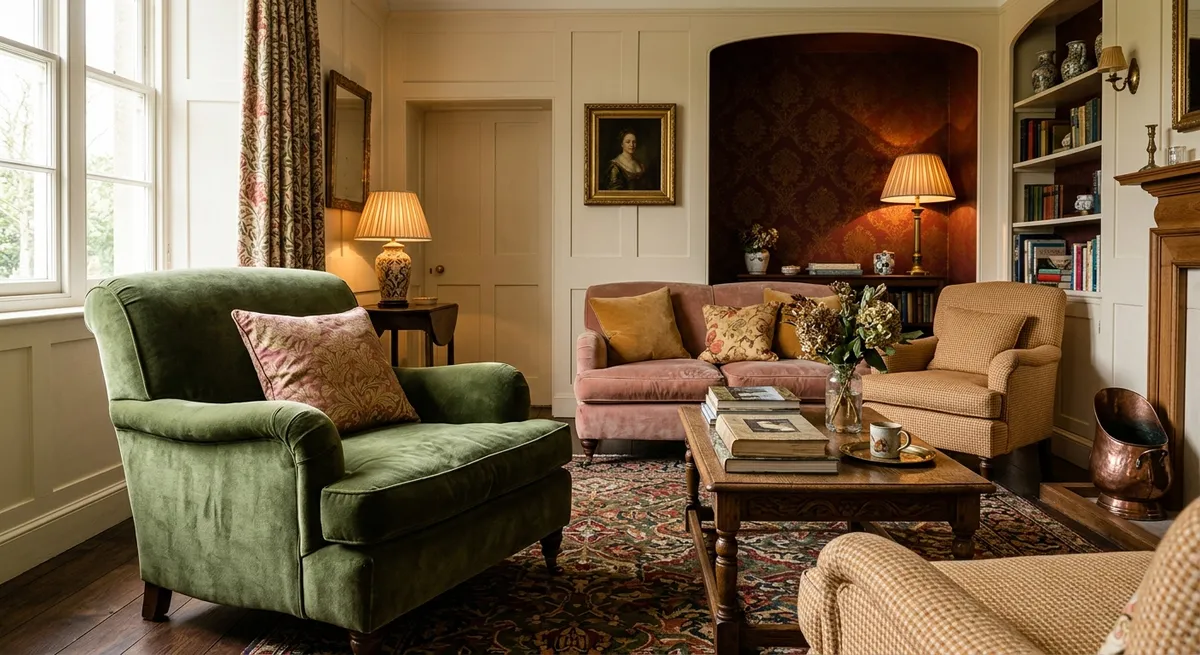
Floral wallpaper is central to the English-inspired look in this home. It adds pattern, softness, and a sense of history that paint rarely manages alone.
To use it without overwhelming a space:
- Pick one room, such as a powder room, dining nook, or entry, to be the pattern moment.
- Let the wallpaper carry the color story, then pull a shade from it for trim, textiles, or accessories.
- Balance it with plainer surfaces nearby, like wood, stone, or a quiet wall color.
That third step matters. Pattern feels charming when it has calm neighbors.
Warm Up With Wood, Brass, and Stone
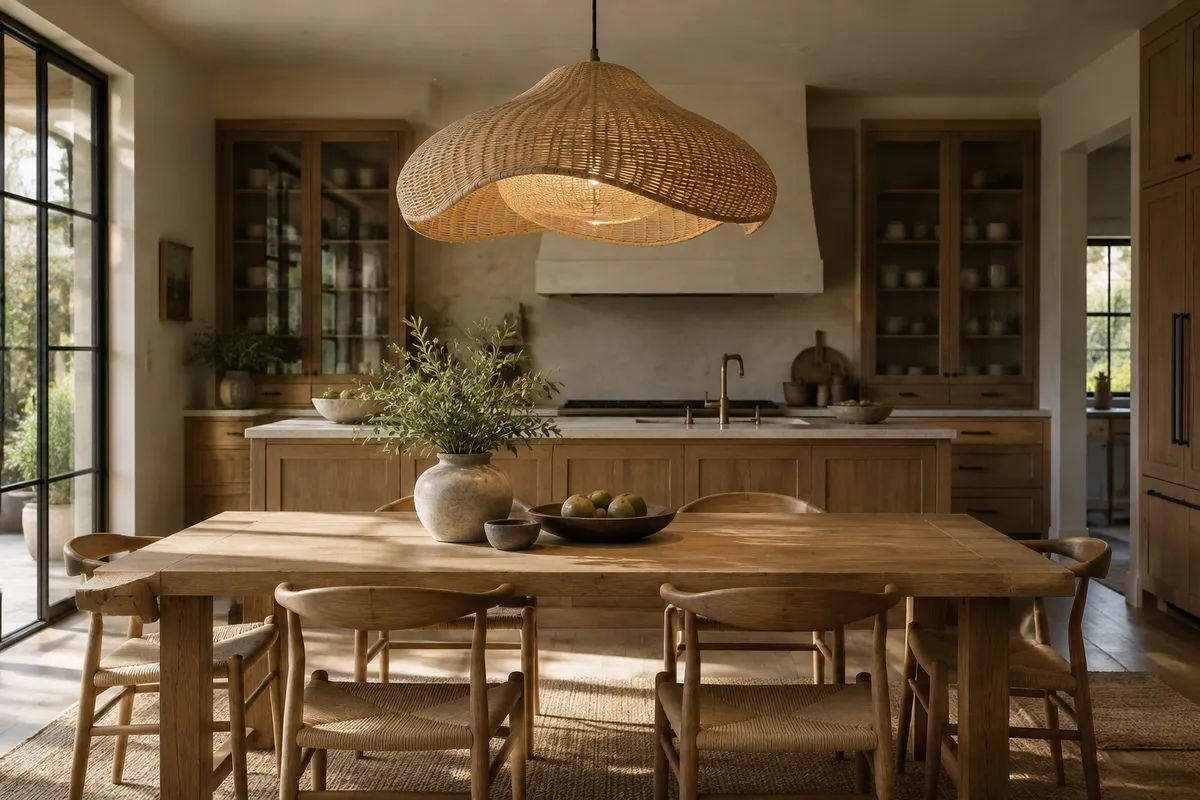
The materials list from this project is a good shopping filter: warm woods, brass, and stone. Together they feel lived-in rather than showroom-new.
- Warm wood in furniture, shelving, or a table brings in a mellow, aged tone.
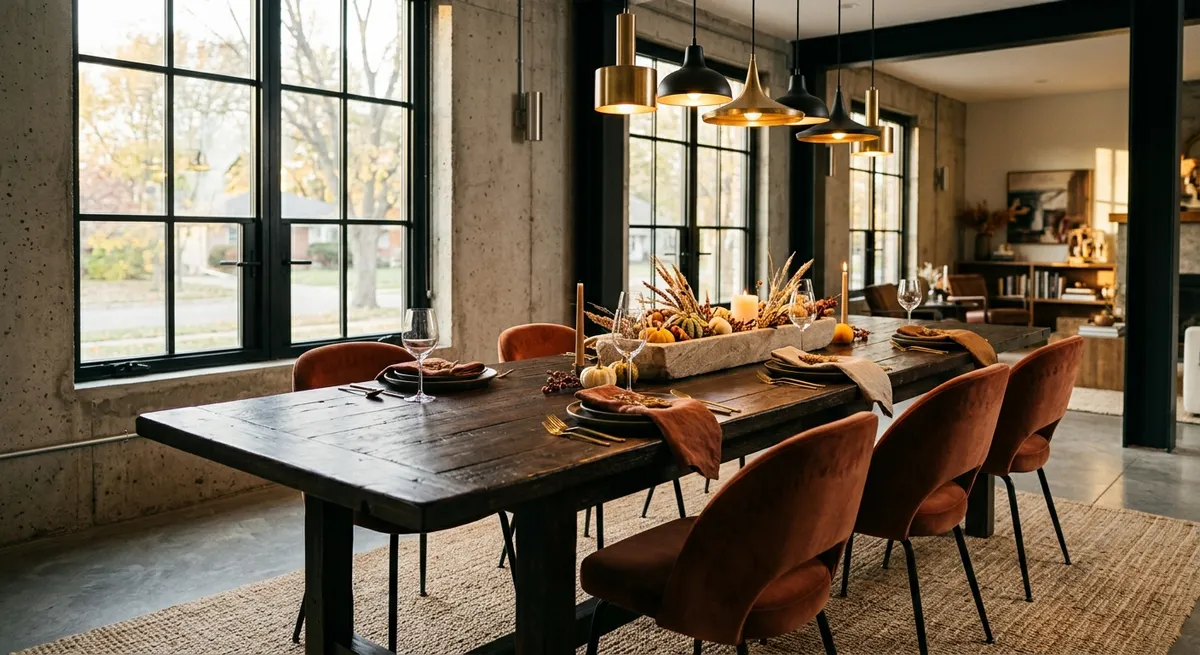
- Brass works well in lighting, hardware, and small accents. It tends to look better as it ages.
- Stone adds weight and texture, whether on a counter, fireplace surround, or tabletop.
If budget is tight, start with hardware and lighting. Swapping cabinet pulls and a fixture is a modest change with an outsized effect.
Try Soft Yellow Without Going Bright
Soft yellow tones are part of what gives this home its glow. The key word is soft. Think buttery and muted rather than sunny and saturated.
Some ways to keep it manageable:
- Use it in one or two places first, such as a wall, a cushion, or a lampshade.
- Pair it with warm neutrals so it reads as a gentle accent.
- Repeat it in small doses from room to room to build that sense of continuity.
Yellow works especially well with the wood and brass above, since all three share a warm undertone.
Layer in Vintage Pieces
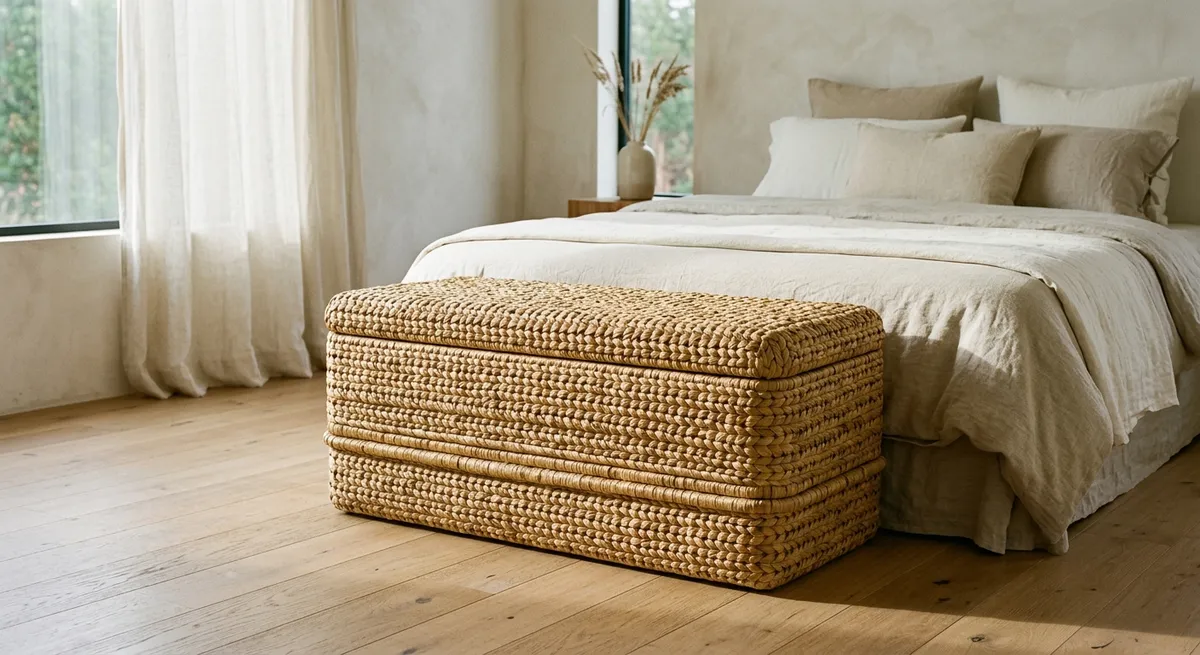
Nothing makes a home feel older like things that actually are. Vintage furniture and accessories add the lived-in layer that new purchases can't fake. You don't need a full set of antiques. One old chest, a pair of secondhand lamps, or a worn side table will do.
Mix them with newer basics so the room feels collected over time rather than themed.
Design for Hosting
The home was designed with entertaining in mind, and warmth is a big part of why it works for guests. Soft color, textured materials, and pattern make a room feel welcoming. If you host often, think about places where people will naturally gather, and give those spots the most character.
Your First Move
Pick one room and give it a single historic cue: an arched detail, a floral wallpaper, or a soft yellow accent. Live with it for a few weeks, then add the next layer. Charm builds gradually, and that's exactly the point.