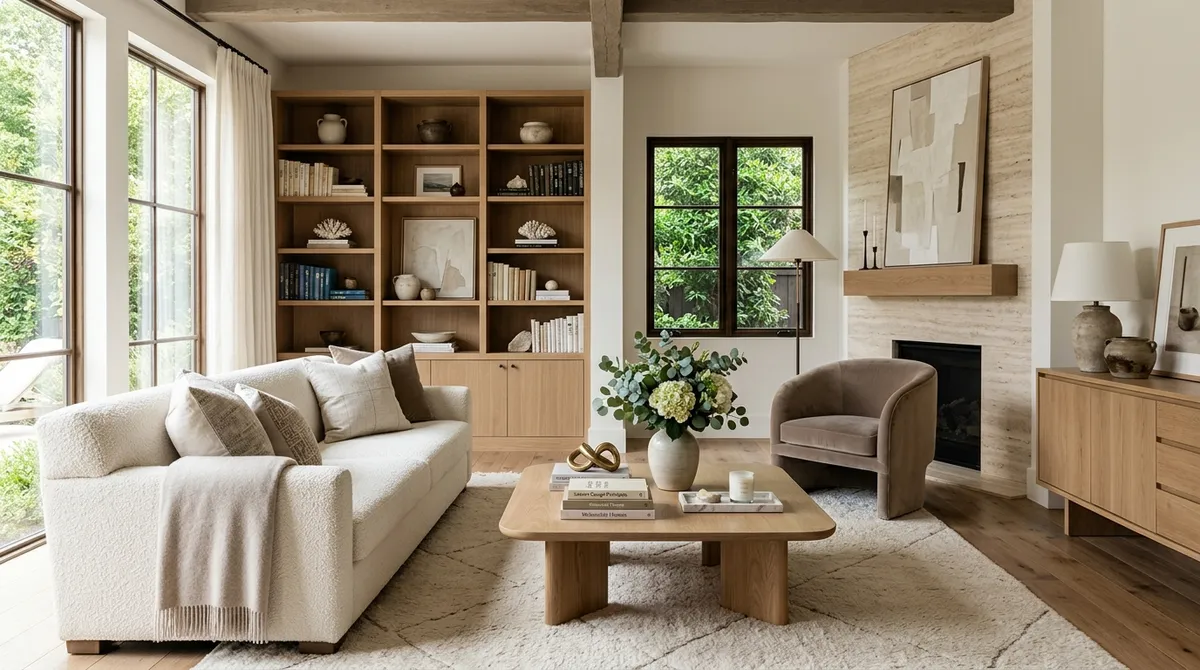
Decorating your home like a pro starts with understanding the interior design basics that make a space feel intentional. In the video "10 Decorating Rules You Should Never Break," interior designer Kristen McGowan shares home decor styling tips focused on creating a beautiful, cohesive, and expensive-looking home without relying on guesswork.
Whether you are refreshing a living room, styling a coffee table, choosing furniture, arranging a bookshelf, mixing patterns, or working with color, the right decorating rules can help you avoid common interior design mistakes. These tips are designed to make each room feel more pulled together while still allowing your personal style to come through.
Why Decorating Rules Matter
Interior design rules are not meant to make your home feel rigid or overly formal. Instead, they give you a reliable foundation for making decorating decisions with confidence. When you understand the basics, it becomes easier to recognize what is not working in a room and make simple changes that improve the overall look.
Many decorating mistakes happen when individual pieces are chosen in isolation. A sofa may look beautiful on its own, a coffee table may be trendy, or a color may be appealing, but the room can still feel unfinished if those decisions do not work together. A cohesive home is created by thinking about how furniture, decor, color, texture, and scale relate to one another.
Start With a Cohesive Home Decor Plan
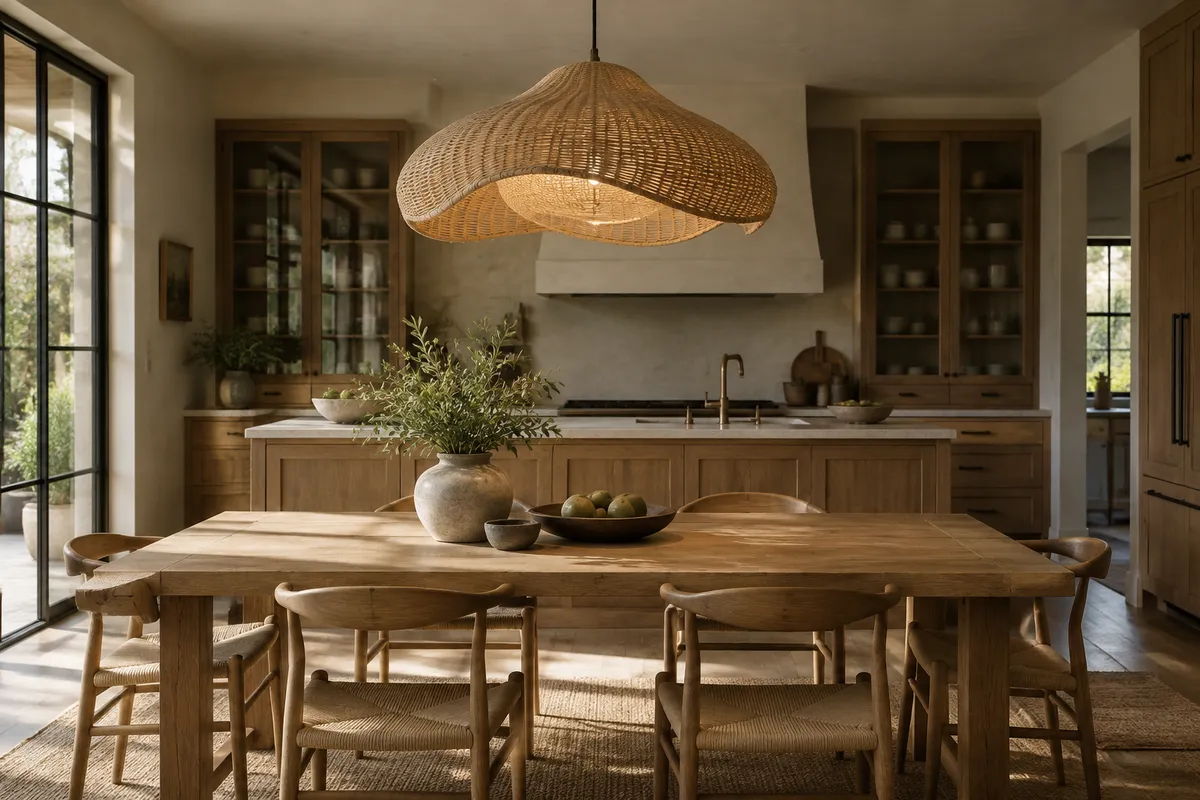
One of the biggest ideas behind professional-looking decorating is cohesion. A room feels more elevated when the main elements connect visually. This does not mean everything needs to match perfectly. It means the choices should feel intentional, balanced, and connected through repeated colors, materials, tones, or styles.
Before buying new decor or rearranging a space, look at what you already have. Notice the colors that appear most often, the furniture shapes you prefer, and the finishes that dominate the room. When you decorate with these existing elements in mind, new pieces are more likely to look like part of the overall design rather than random additions.
Avoid Common Interior Design Mistakes
Common interior design mistakes often come from rushing the process. Decorating a home is not only about filling empty surfaces or buying the latest trend. It is about making choices that support the function and feeling of the space. If a room feels cluttered, disconnected, or flat, the fix may be as simple as editing decor, adjusting furniture, or reconsidering color balance.
Another common issue is focusing on one area while ignoring the rest of the room. For example, a styled coffee table can look great, but it should still relate to nearby seating, shelving, artwork, and overall color choices. A polished room is created when every visible area works together as part of the same design story.
Coffee Table Decor That Feels Styled
Coffee table decor is one of the easiest ways to make a living space feel more finished. Because the coffee table is often placed at the center of the room, it naturally draws attention. Styling this surface with care can instantly make a space feel more thoughtful and complete.
When decorating a coffee table, consider balance rather than simply adding objects. The goal is not to overcrowd the surface, but to create a styled look that still feels functional. Decorative books, small accents, trays, and useful pieces can all contribute to a finished look when they are chosen with the surrounding room in mind.
Bookshelf Styling for a Polished Look
Bookshelf styling is another area where decorating rules can make a major difference. Shelves can quickly become cluttered if every open space is filled without a plan. A professionally styled bookshelf usually feels curated, with a mix of useful items, decorative accents, and breathing room.
Instead of treating shelves as storage only, think of them as a design feature. Books, objects, and decor pieces should be arranged in a way that feels balanced across the entire shelf unit. The result is a more intentional display that supports the room's overall style instead of distracting from it.
Furniture Selection Sets the Tone
Furniture selection plays a major role in how a room functions and feels. The pieces you choose influence the room's comfort, flow, and visual weight. A beautiful home is not only about decorative accessories; it starts with furniture that suits the space and supports the way you live.
When selecting furniture, consider whether each piece works with the rest of the room. The right choices should feel connected to the overall design direction while also serving a practical purpose. A cohesive furniture plan can make a home feel more custom, expensive, and carefully designed.
Mixing Patterns Without Creating Visual Chaos
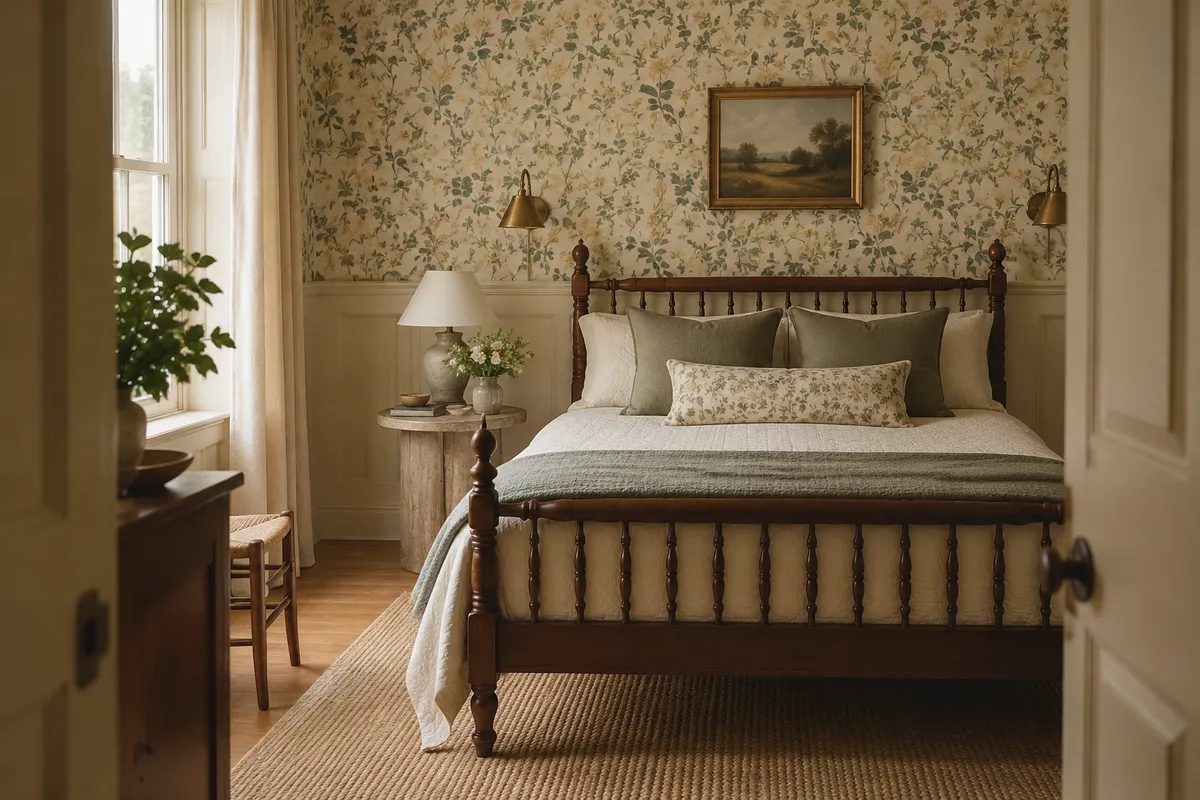
Mixing patterns can bring personality and depth into a home, but it can also become overwhelming if there is no clear direction. A strong decorating approach considers how patterns interact with one another, the room's color palette, and the surrounding furniture and decor.
The key is to create harmony rather than competition. Patterns should add interest while still looking like they belong in the same space. When done well, pattern mixing can make a room feel layered, stylish, and more professionally designed.
Working With Color in a Thoughtful Way
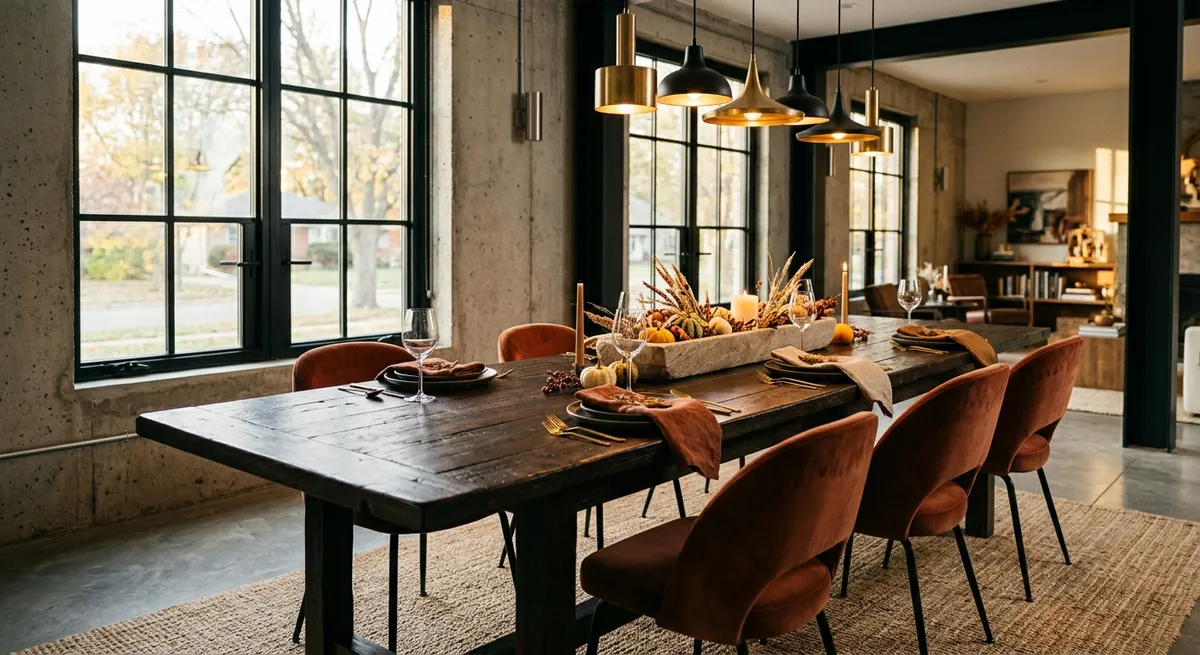
Color is one of the most powerful tools in interior design. It affects mood, cohesion, and the overall impression of a room. Working with color thoughtfully helps a home feel more intentional and visually balanced.
A cohesive color approach does not require every room to look identical. Instead, colors can be repeated, softened, contrasted, or layered in ways that create flow. When color choices are made with the full room in mind, the finished space feels more elevated and less accidental.
Creating an Expensive-Looking Home With Smart Styling
An expensive-looking home is often less about cost and more about styling decisions. Thoughtful furniture selection, balanced decor, careful color choices, and well-styled surfaces all contribute to a more refined result. Small decorating fixes can make a major difference when they are guided by strong design basics.
Kristen McGowan's decorating tips focus on helping you recognize the mistakes that may be holding your home back and showing how to fix them with practical interior design strategies. By applying these home decor rules to coffee tables, bookshelves, furniture, patterns, color, and overall styling, you can create a home that feels cohesive, beautiful, and professionally put together.