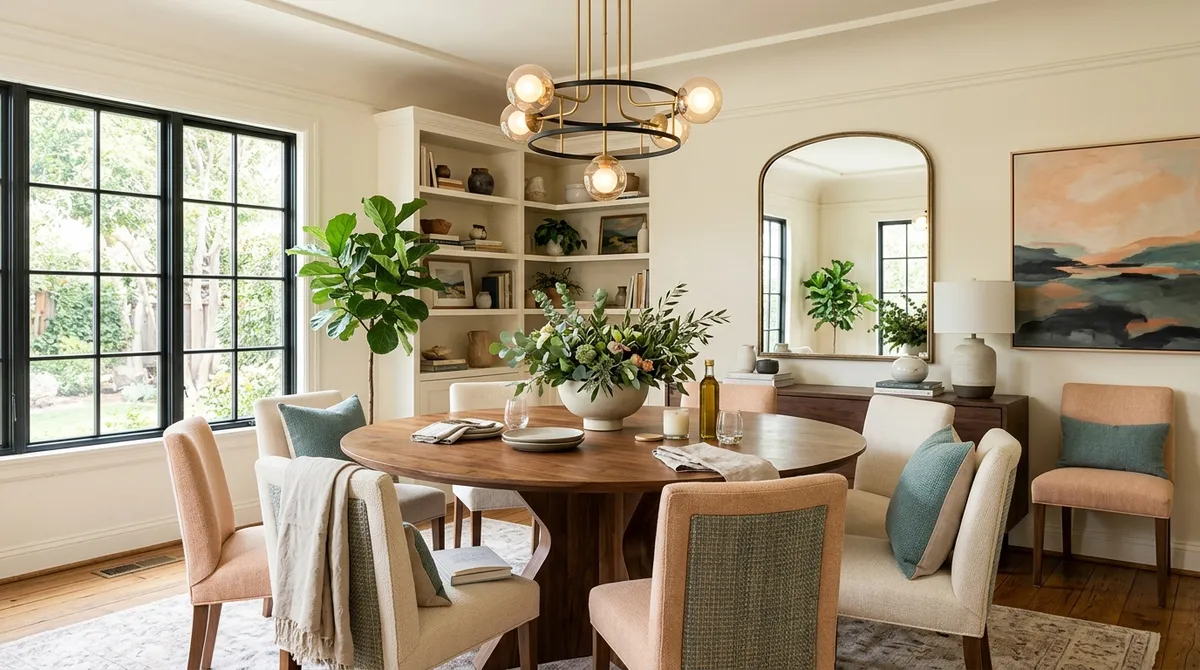
Formal Dining Rooms Make a Stylish Comeback
The formal dining room is experiencing an unexpected renaissance in 2026, according to recent design trends. But this isn't your grandmother's stuffy formal space – today's dining rooms are being reimagined as intentional, stylish areas that homeowners actually want to redesign and use.
As homes continue to serve multiple lifestyle functions, people are taking a fresh look at underused rooms and making dining areas feel more expressive and practical than ever before. The shift represents a significant change in how we think about these traditional spaces.
Why Dining Rooms Matter Again
The renewed interest in dining spaces stems from a broader trend of homeowners rethinking underused areas in their homes. According to reports, people are moving away from letting dining rooms sit empty or serve as catch-all spaces, instead transforming them into areas that feel essential to daily life.
This evolution reflects changing lifestyle needs, where entertaining and gathering have become more important to homeowners seeking to make their spaces work harder for them. The formal dining room, once considered outdated by many, is being repositioned as a valuable asset rather than wasted square footage.
Modern Updates Without Major Renovation
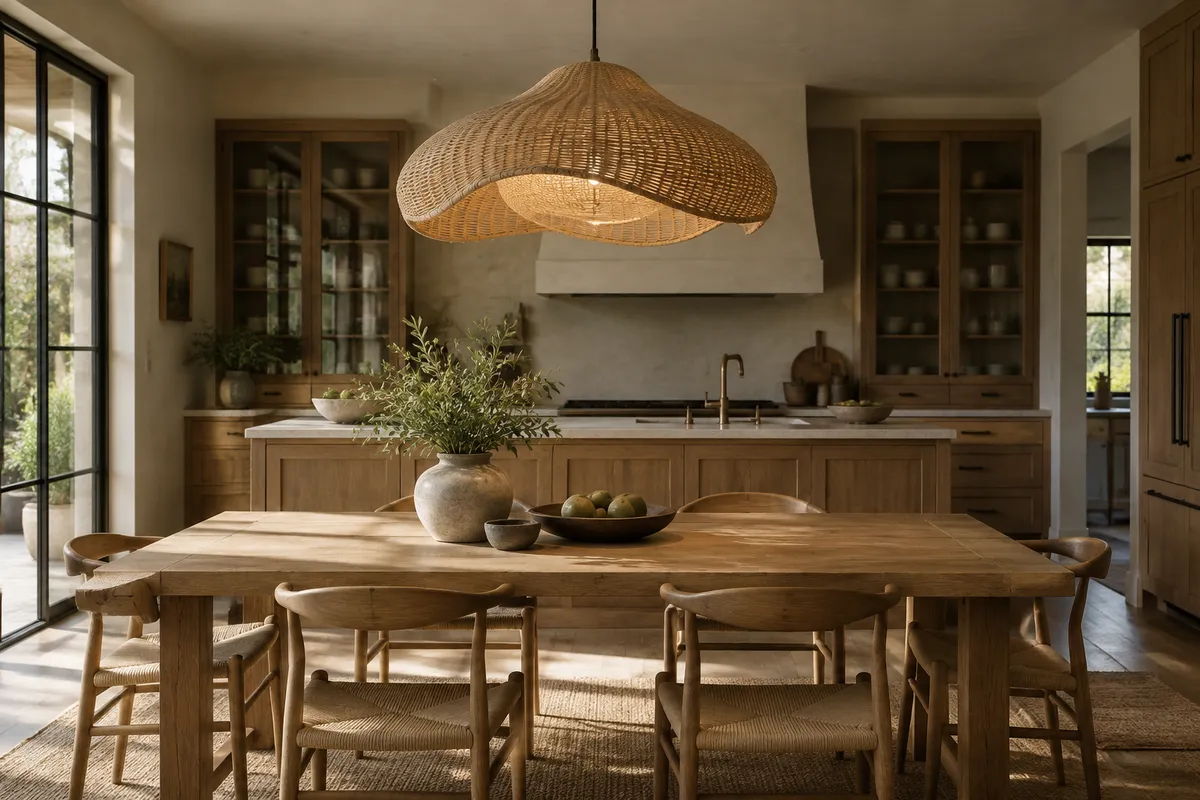
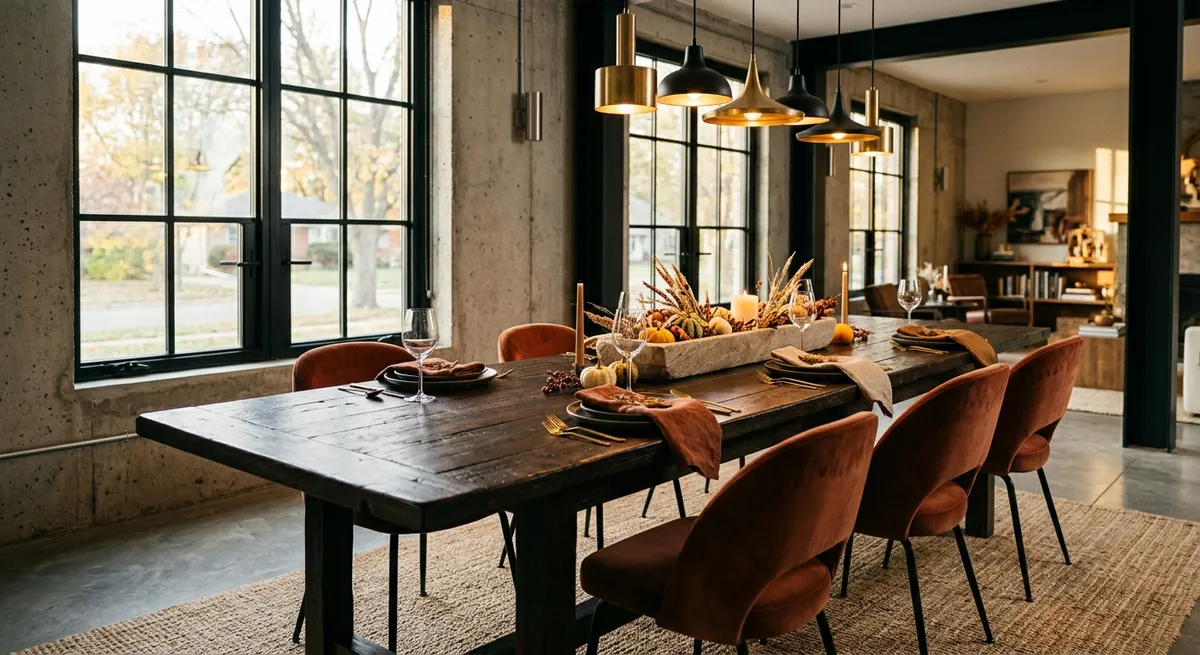
One of the most appealing aspects of these emerging trends is that they focus on modernizing dining rooms without requiring complete overhauls. Design experts are emphasizing styling swaps, strategic color choices, updated lighting, and thoughtful furniture selections as key ways to transform these spaces.
These approaches make the trend accessible to homeowners who want to refresh their dining areas but aren't ready for major construction projects. The focus is on bringing dining rooms into 2026 through more current, lived-in approaches that feel authentic to how people actually want to use these spaces.
Elevated Entertaining Made Easy
According to reports, the new dining room trends are specifically designed to make entertaining feel more elevated and intentional. This represents a shift from either completely casual or overly formal approaches to a middle ground that feels both special and approachable.
The trends emphasize creating spaces that feel worthy of gathering while remaining comfortable enough for regular use. This balance is key to making dining rooms feel essential rather than reserved only for special occasions.
Making Unused Spaces Feel Essential
Perhaps the most significant aspect of these 2026 trends is their focus on transforming unused dining rooms into spaces that feel essential to daily life. Rather than letting these rooms remain dormant between holiday meals, the new approach emphasizes creating dining areas that integrate naturally into how families actually live.
This shift acknowledges that while formal dining rooms may not be staples in all homes, they can be valuable assets when designed thoughtfully. The key is approaching them with intention rather than tradition, creating spaces that serve real purposes in modern households.
The Trend's Broader Impact
The dining room comeback reflects larger changes in how we approach interior design in 2026. There's a growing emphasis on making every room in the home feel purposeful and expressive, rather than accepting spaces that don't quite work for current lifestyles.
For homeowners considering updates to their dining spaces, these trends offer a roadmap for transformation that doesn't require starting from scratch. Instead, they provide framework for evolution – taking what exists and making it more relevant, more beautiful, and more functional for how people actually want to live.
As these trends continue to develop throughout 2026, they're likely to influence not just dining room design but broader approaches to making traditional home spaces work for contemporary needs. The formal dining room's reinvention serves as a model for thoughtful space transformation that honors both style and practicality.