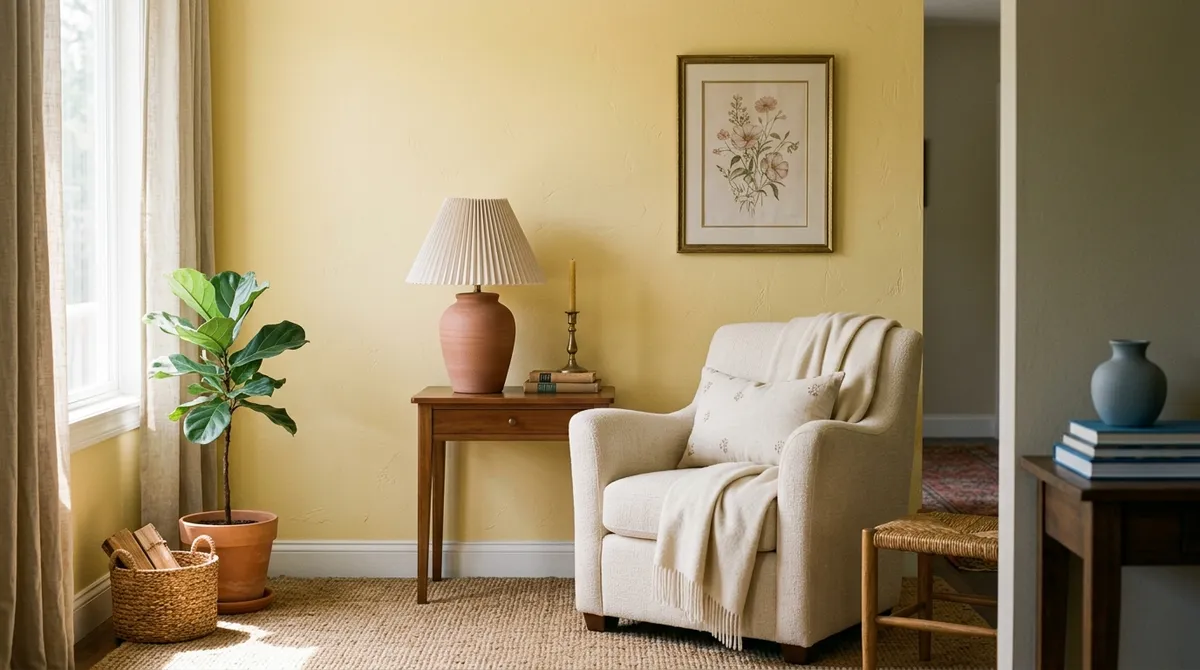
The Butter Yellow Trend Taking Over Interiors
Butter yellow is making a major comeback in interior design, and according to reports, homeowners are embracing this warm, nostalgic hue as they move away from stark monochrome interiors toward more personality-driven spaces. The color's '90s revival appeal has made it particularly timely, but interior designers are warning that one common styling mistake can quickly push your space into early-2000s territory.
The Critical Mistake That Dates Your Space
According to design professionals, the biggest error homeowners make with butter yellow is pairing it with cool-toned elements. Specifically, designers warn against combining this trending color with:
- Cool grays
- Blues
- Silvery finishes
- Whitewashed woods
This combination, according to reports, can make even the most carefully planned space feel dated and out of touch with current design trends.
How to Style Butter Yellow the Right Way
To keep butter yellow feeling current and elevated, designers recommend focusing on warm pairings that complement the color's inherent coziness. The key is creating a cohesive warm palette that enhances rather than fights against the yellow's natural warmth.
Warm Neutrals Are Your Best Friend
According to design experts, warm neutrals provide the perfect backdrop for butter yellow. These tones create a harmonious base that allows the yellow to shine without overwhelming the space or creating visual discord.
Embrace Earthy Tones
Earthy colors work exceptionally well with butter yellow, according to reports. These natural hues complement the organic feel of the trending color while maintaining a sophisticated, grounded aesthetic that feels both current and timeless.
Material and Finish Choices That Make the Difference
Skip the Silver, Choose Warm Metals
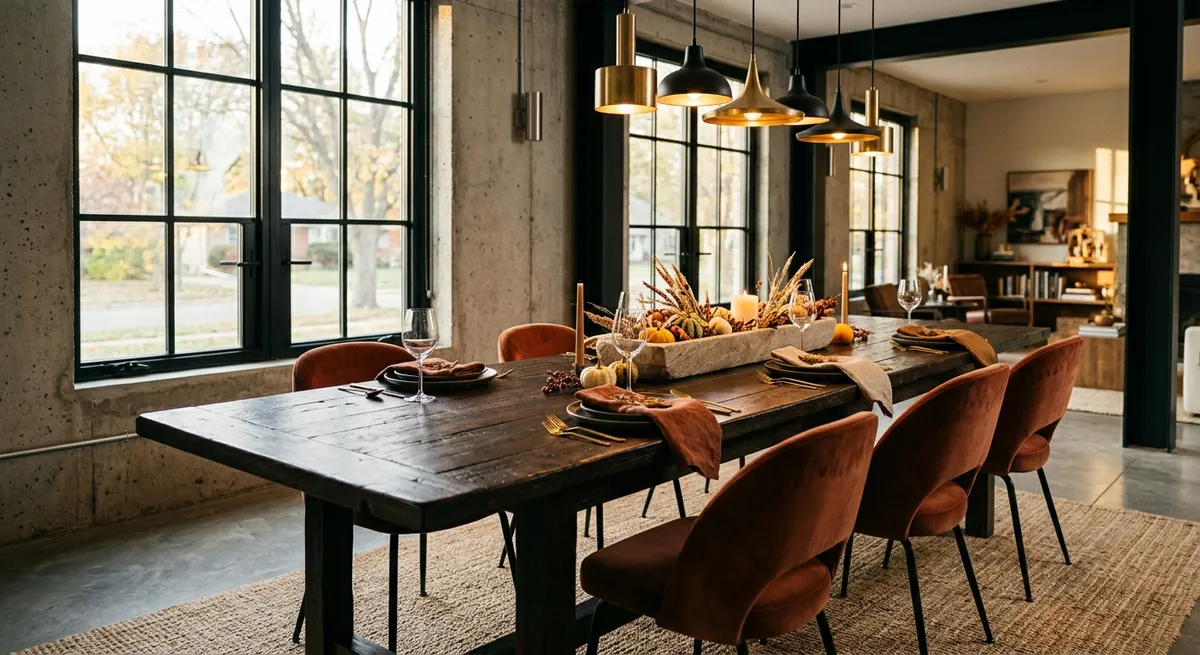
Instead of cool silvery finishes, designers recommend incorporating brass and bronze elements into butter yellow spaces. These warm metallic tones enhance the cozy, inviting atmosphere while keeping the overall look contemporary and polished.
Natural Materials Add Authenticity
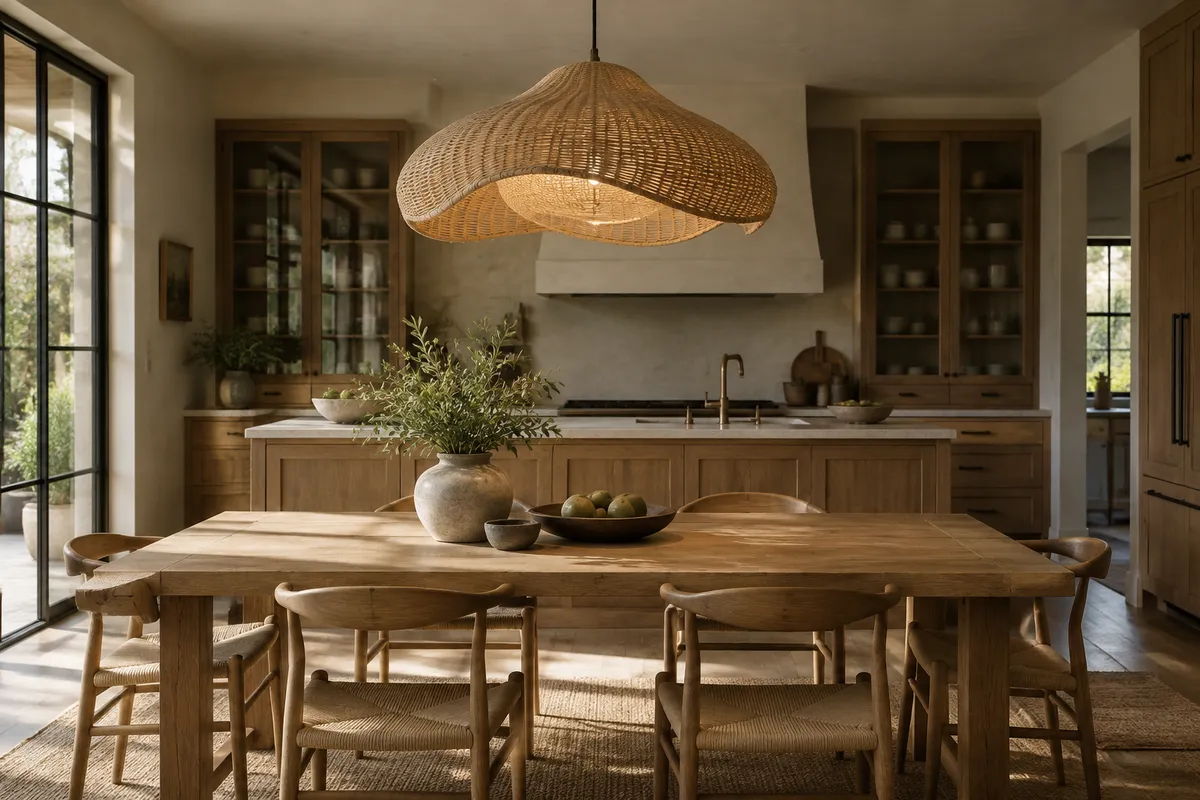
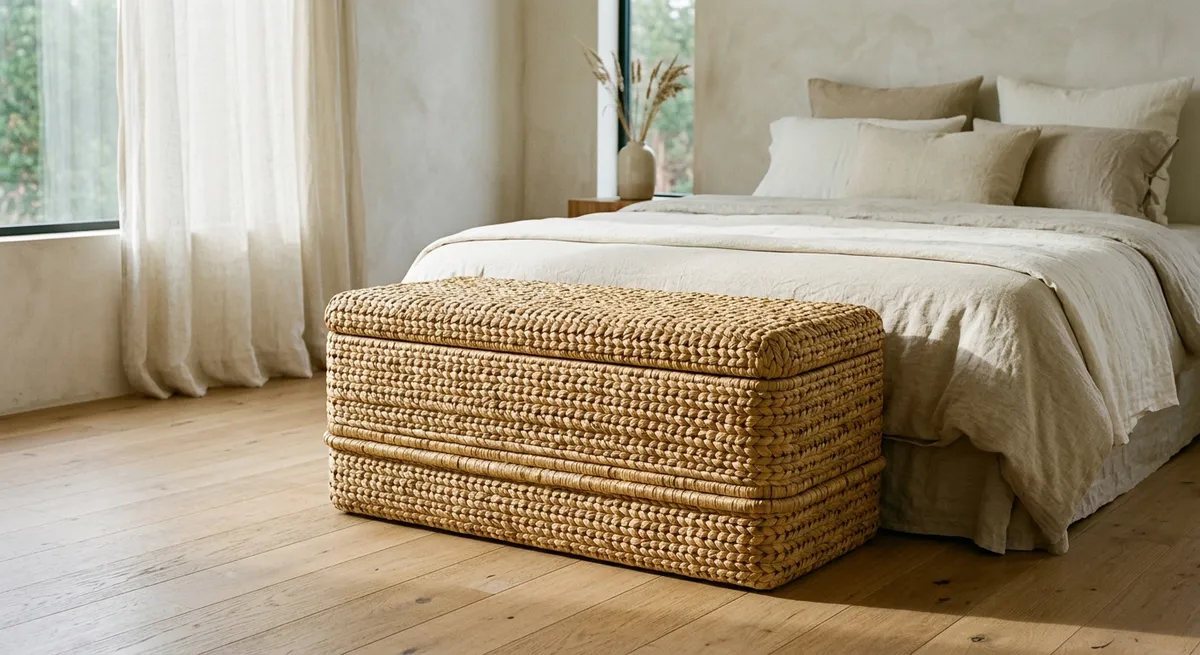
According to design professionals, natural materials are essential for making butter yellow feel elevated and intentional. These organic elements help ground the space and prevent the color from feeling too sweet or overwhelming.
Wood Selection Matters
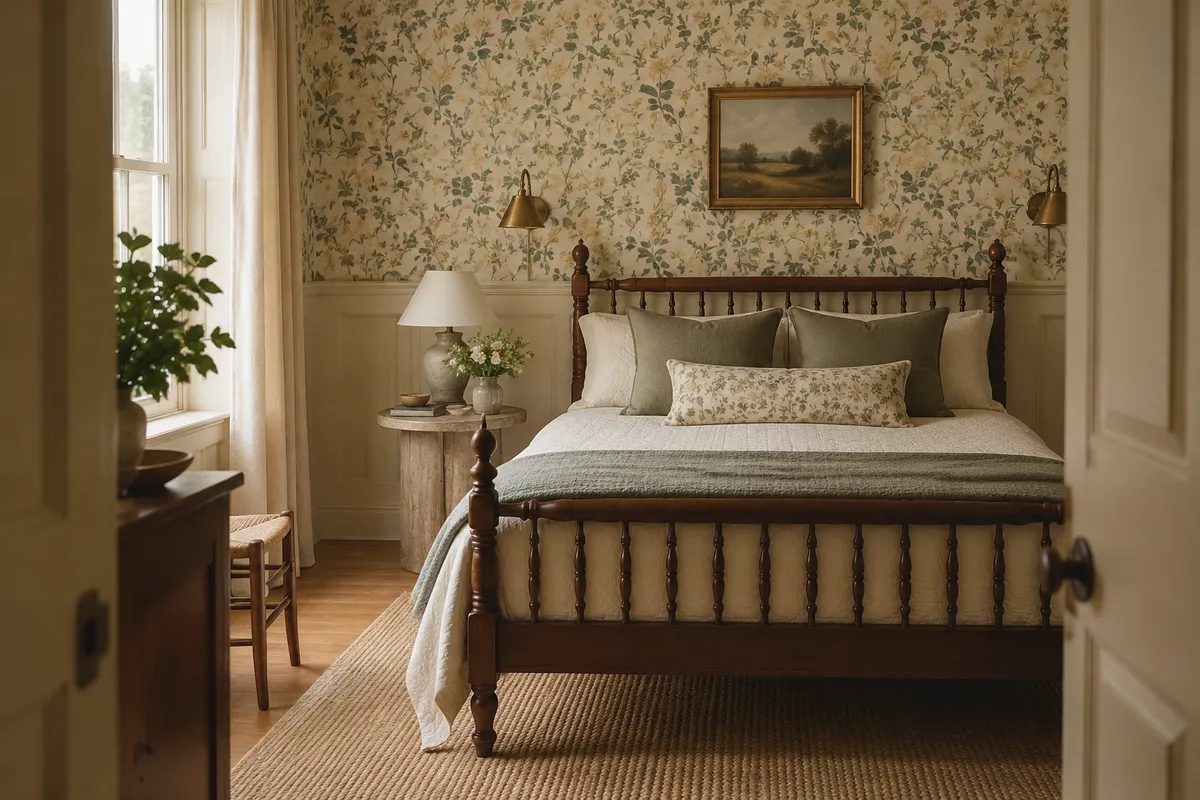
While whitewashed woods are discouraged, designers suggest opting for vintage wood pieces that complement butter yellow's nostalgic appeal. These warmer wood tones create depth and character while maintaining the cozy, personality-driven aesthetic that's driving the trend.
Why This Color Combination Matters Now
The popularity of butter yellow reflects a broader shift in interior design preferences. According to reports, people are increasingly seeking warmth and personality in their homes, moving away from the cold, minimalist aesthetics that dominated previous years.
This nostalgic color choice speaks to a desire for comfort and individuality in living spaces. However, the styling approach can make or break the look's success, which is why understanding these pairing principles is crucial for achieving the desired effect.
Creating Your Butter Yellow Palette
When planning a butter yellow room, consider building your color story around warm, complementary tones. Start with your base neutrals in warm undertones, then layer in earthy accents and warm metallic finishes.
The goal is to create a cohesive environment where each element supports the others, rather than competing for attention or creating visual tension through temperature conflicts.
Making It Work in Any Space
Butter yellow's versatility means it can work in various rooms throughout the home when styled correctly. The key is maintaining consistency in your warm palette approach, whether you're using it as an accent wall color, through textiles, or in larger furniture pieces.
By avoiding the cool-toned pairing trap and embracing the warm, natural elements that complement this trending color, you can create a space that feels both current and timelessly appealing – exactly what today's homeowners are seeking in their interior design choices.