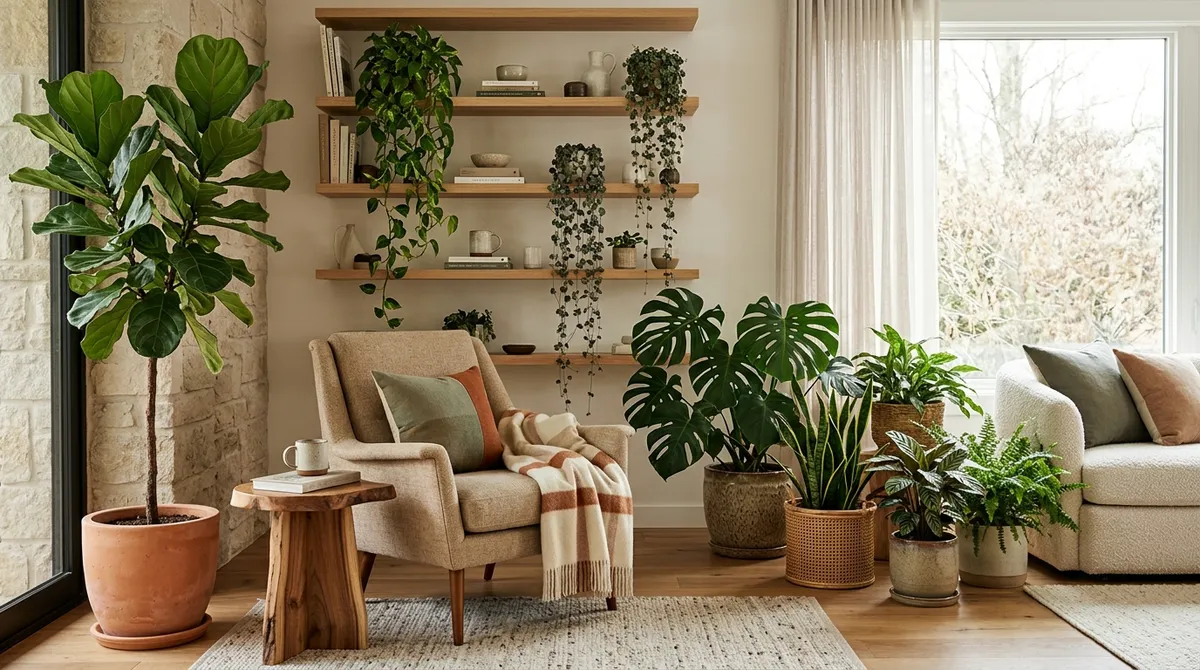
The Rise of Plants as Design Elements
Houseplant styling has emerged as one of the most powerful tools in modern interior design, according to recent trends in home decorating. What was once considered a niche hobby has transformed into a mainstream design element, with plants serving both aesthetic and practical purposes in contemporary living spaces.
According to reports, the thoughtful selection of plants and their containers can completely transform a room's atmosphere, taking it from merely styled to genuinely inviting. This shift reflects a broader convergence between home design and wellness as people continue to invest more heavily in their living spaces following the pandemic.
The Science Behind Plant-Based Design
The growing popularity of houseplant styling aligns with increased interest in biophilic design—the practice of bringing nature indoors. This design philosophy has gained traction alongside broader cultural movements focused on mental health, sustainability, and creating calming home environments.
Reports indicate that plants add essential elements to interior spaces: life, texture, and organic softness that can't be replicated by traditional decor items. These living design elements help soften hard lines in modern interiors and create visual balance in ways that static accessories cannot achieve.
Strategic Plant Placement as Design Hack
Interior design experts suggest that plant styling functions as an effective design hack, particularly for creating depth and visual interest without overwhelming a space. According to reports, strategic placement techniques include:
Focal Point Creation: Using larger statement plants to anchor specific areas and draw the eye through a room.
Shelf Styling: Incorporating trailing plants on shelves to add movement and natural lines that complement architectural features.
Corner Solutions: Filling empty corners with plants to maximize space usage while adding life to previously unused areas.
The Container as Art Movement
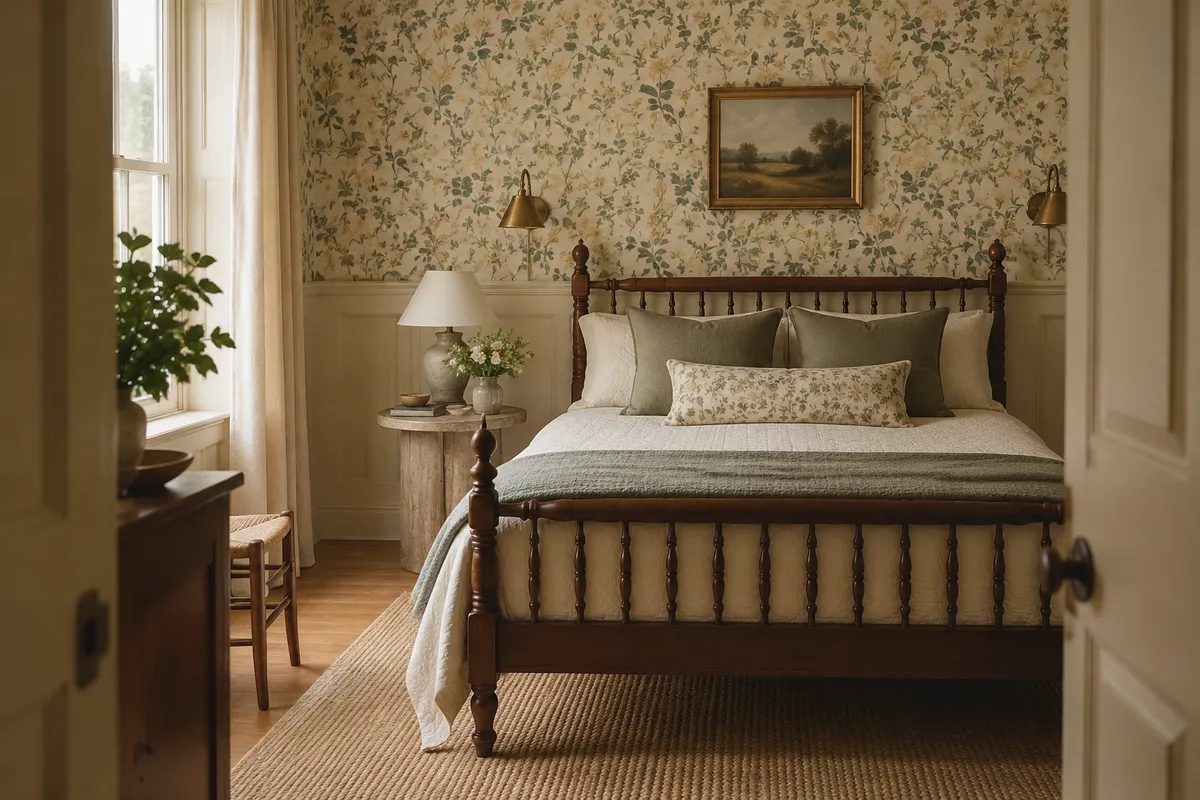
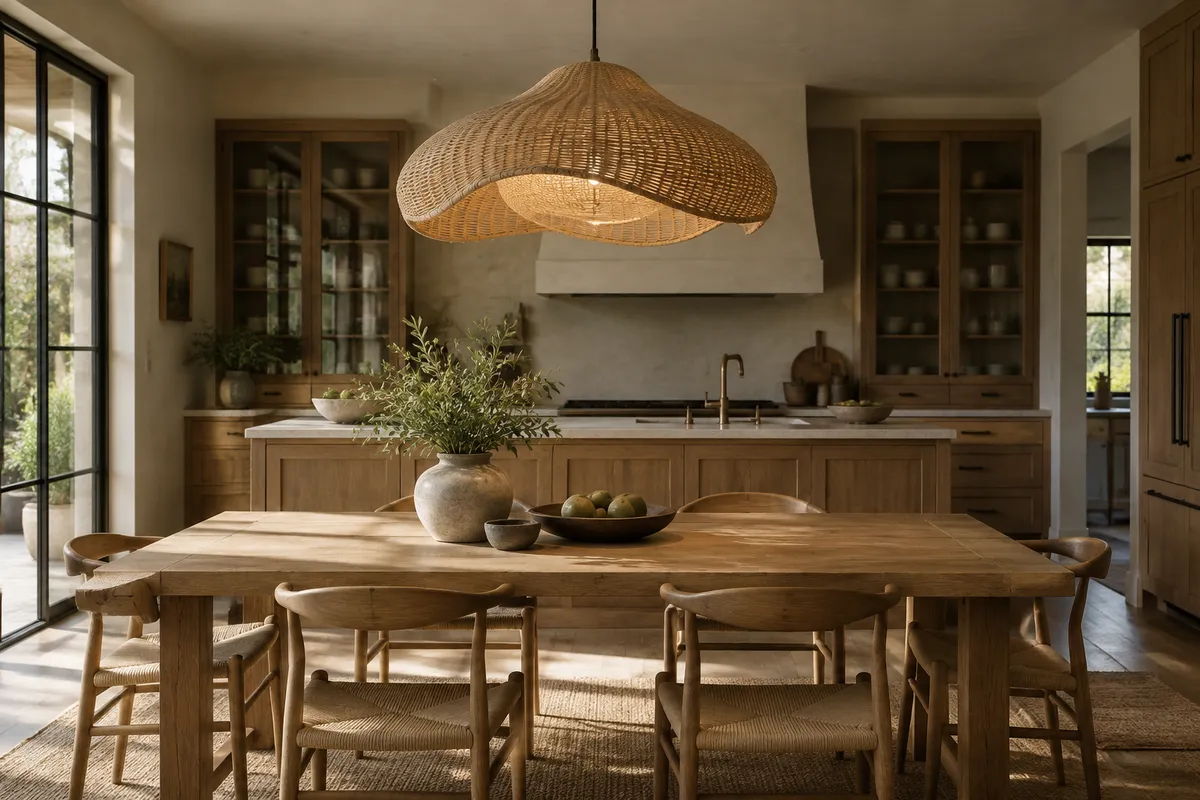
A significant trend within houseplant styling involves treating planters as art pieces themselves. Reports show that the right ceramic, woven, or sculptural container can elevate even simple plants into statement pieces that contribute to a room's overall aesthetic.
This approach transforms plant care from maintenance into curation, where homeowners select containers that match their interior design style and color palette. The planter becomes as important as the plant itself in creating cohesive room design.
Color Palette Inspiration from Nature
Plants are increasingly influencing broader design choices beyond their immediate presence. According to reports, nature-inspired color palettes featuring greens, terracotta, and stone tones are becoming popular as homeowners draw inspiration from their plant collections for wall colors, textiles, and accessories.
This trend reflects a more holistic approach to interior design where natural elements inform all decorating decisions rather than being added as afterthoughts.
Creating Indoor-Outdoor Flow
Another emerging trend involves using plants strategically to blur the boundaries between interior and exterior living spaces. This technique helps create continuity between indoor and outdoor areas, making homes feel more connected to nature and potentially larger than their actual square footage.
Layering Without Overwhelm
One of the key skills in successful houseplant styling is learning to layer plants effectively without creating visual chaos. Reports suggest that when done thoughtfully, plants create depth and make spaces feel more considered and intentional.
The key lies in varying heights, textures, and container styles while maintaining a cohesive color story throughout the space. This approach allows homeowners to incorporate multiple plants without the arrangement appearing cluttered or overwhelming.
The Future of Plant-Based Design
As the intersection of wellness and home design continues to evolve, houseplant styling represents more than a decorating trend. It reflects a fundamental shift toward creating living spaces that actively contribute to occupants' well-being while maintaining aesthetic appeal.
This movement suggests that successful interior design increasingly requires understanding how to integrate living elements with traditional decor, making plant styling an essential skill for anyone serious about creating beautiful, functional homes.