Lighting Studio Ventures Into New Territory
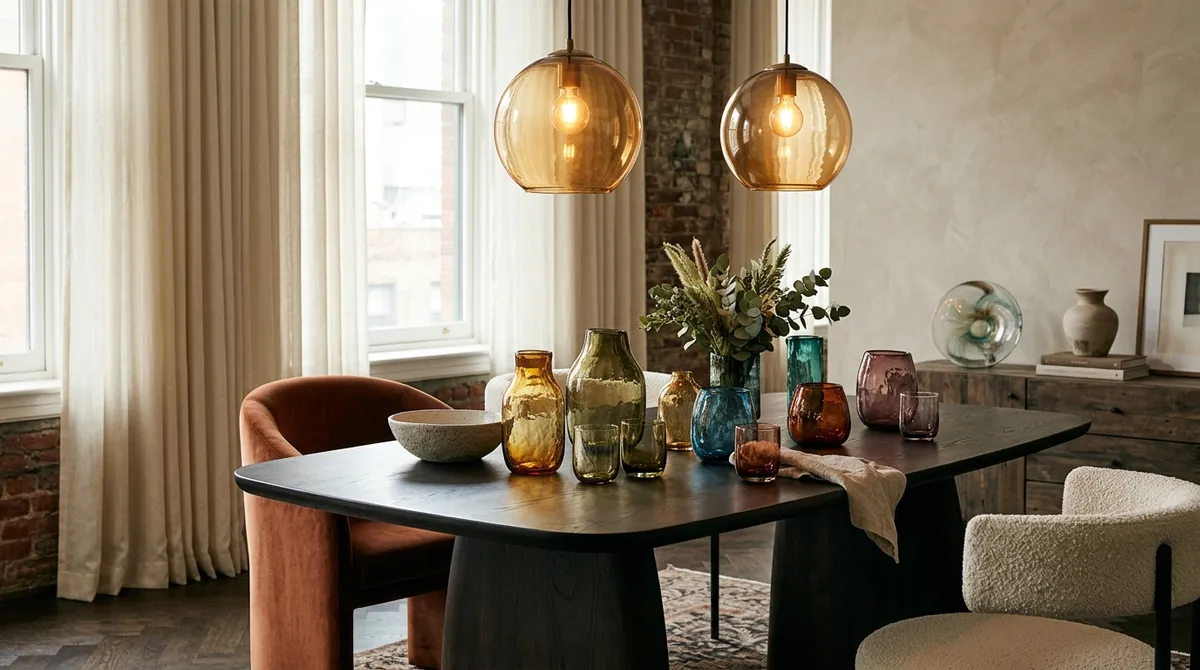
In Common With, the cult-favorite lighting design studio founded by Nick Ozemba and Felicia Hung, is making waves in the home design world with its expansion beyond lighting. The studio has launched its new Lido collection, marking a significant step into the homewares market through a strategic collaboration with Venice-based glassware company Laguna~B.
According to reports, this move represents more than just product diversification—it signals the studio's evolution from a lighting-only brand into a full lifestyle design studio. The collaboration combines traditional Murano glassmaking techniques with contemporary design aesthetics, creating pieces that bridge heritage craftsmanship with modern sensibilities.
The Art of Murano Meets Modern Design
The Lido collection showcases the studio's commitment to quality craftsmanship through its use of traditional Murano glassmaking techniques. Reports indicate the collection incorporates specialized methods including goti de fornasa and murrine techniques, bringing centuries-old artisanal skills into contemporary lighting and glassware design.
This approach aligns with In Common With's philosophy of building what they describe as a "world" rather than a single-category brand. The collaboration with Laguna~B demonstrates how the studio uses partnerships and modular design thinking to scale their offerings without compromising on craft quality.
Strategic Retail and Market Positioning
The expansion comes at a time when the studio has been testing new concepts through their Tribeca concept store, Quarters. According to reports, this experiential retail space serves as both a showcase for product expansion and a testing ground for new collections. The store represents the studio's commitment to creating immersive brand experiences that go beyond traditional retail.
The timing of this launch reflects broader industry trends, with design studios increasingly scaling craft-based production while maintaining artisanal quality. Reports suggest that In Common With's approach focuses on what they term "well-made, well-priced" design, a strategy that aims to avoid overstock while maintaining quality standards.
Building a Design Ecosystem
The Lido collection represents more than just new products—it signals how niche design brands are building comprehensive lifestyle ecosystems. By expanding into homewares while maintaining their lighting expertise, In Common With is positioning itself as a complete design resource for discerning homeowners.
This strategic expansion demonstrates how contemporary design studios are reimagining the traditional boundaries of product categories. Rather than remaining confined to a single specialty, In Common With is creating what reports describe as interconnected product families that complement each other across different areas of the home.
Industry Impact and Future Implications
The launch of the Lido collection comes as the design industry sees increasing demand for pieces that blend accessibility with artisanal quality. According to reports, In Common With's approach of combining strategic collaborations with master artisans represents a model for how design studios can expand their reach while honoring traditional craftsmanship.
The success of this expansion could influence how other lighting and design studios approach product development and brand building. By demonstrating that it's possible to scale craft-based production through thoughtful partnerships, In Common With may be setting a new standard for how specialized design studios grow their businesses.
For homeowners and design enthusiasts, the Lido collection offers an opportunity to incorporate pieces that represent the intersection of heritage techniques and contemporary aesthetics. As design studios continue to evolve beyond single-category offerings, consumers can expect to see more comprehensive lifestyle collections that bring cohesive design thinking across multiple product types.
The expansion of In Common With into homewares through the Lido collection marks a significant moment in the studio's evolution and potentially in the broader design industry's approach to brand development and artisanal production scaling.