From Lighting to Lifestyle: A Strategic Expansion
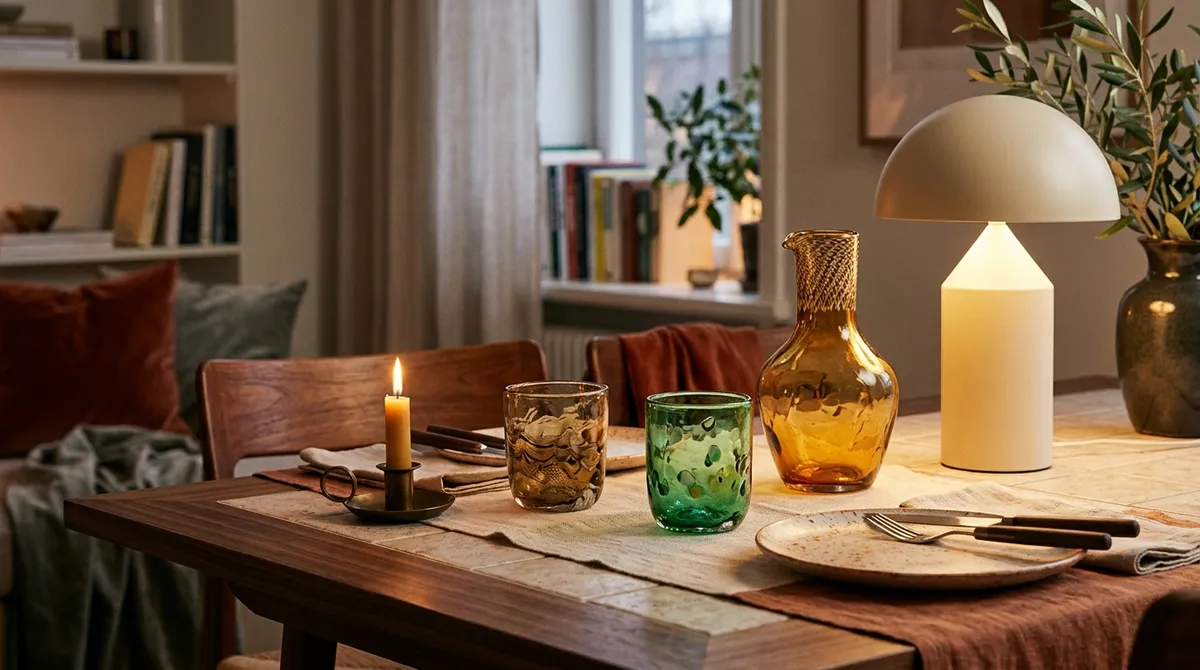
In Common With, the cult-favorite lighting design studio founded by Nick Ozemba and Felicia Hung, is making waves in the design world with its latest venture beyond illumination. According to reports, the studio has launched the Lido collection, marking its first expansion into homewares through a strategic collaboration with Venice-based glassware company Laguna~B.
This move represents more than just product diversification—it signals the studio's evolution from a lighting-focused brand to what industry observers describe as a comprehensive lifestyle design ecosystem.
Traditional Craftsmanship Meets Contemporary Design
The Lido collection showcases the intersection of heritage craftsmanship and modern design sensibilities. According to reports, the collaboration combines traditional Murano glassmaking techniques with contemporary design principles, featuring specialized methods including goti de fornasa and murrine techniques in the lighting designs.
This approach reflects a broader trend in the design industry where studios are scaling craft-based production while maintaining artisanal quality. The partnership with Laguna~B demonstrates how contemporary design brands can honor traditional techniques while making them accessible to modern consumers.
Building a Design World Through Strategic Collaborations
Industry reports suggest that In Common With's expansion strategy centers on building what they describe as a design "world" rather than limiting themselves to a single product category. This philosophy appears to guide their approach to scaling without sacrificing the craft-based quality that has earned them their devoted following.
The studio's use of collaboration and modular design thinking allows them to enter new product categories while maintaining their core aesthetic and quality standards. This strategic approach enables them to expand their offerings without the overhead of developing entirely new manufacturing capabilities in-house.
The Role of Experiential Retail
According to reports, In Common With operates an experiential retail space called Quarters in Tribeca, which serves as both a concept store and testing ground for product expansion. This physical space plays a crucial role in their strategy, allowing them to showcase new collections and gauge consumer response before broader market rollout.
The Quarters concept store represents the growing importance of experiential retail in the design industry, where brands create immersive environments that tell their story while testing new product directions.
Economics of Well-Made Design
The expansion into homewares reflects what industry observers describe as the challenge of achieving "well-made, well-priced" design. According to reports, In Common With has developed strategies to avoid overstock while maintaining quality, suggesting a careful balance between craftsmanship and commercial viability.
This approach addresses a common challenge in the design industry: how to scale artisanal production methods while keeping products accessible to consumers who value quality but are price-conscious.
Industry Implications
The launch of the Lido collection represents broader trends in the design industry, where niche brands are building comprehensive lifestyle ecosystems through strategic partnerships. According to reports, this reflects how design studios are blending artisanal techniques with accessible pricing models.
The success of such ventures often depends on maintaining authenticity while scaling production—a balance that requires careful curation of partnerships and unwavering commitment to design principles.
Looking Forward
As In Common With continues to expand beyond its lighting origins, the Lido collection serves as a case study in how contemporary design brands can honor traditional craftsmanship while building modern lifestyle brands. The collaboration with Laguna~B demonstrates that strategic partnerships can enable studios to enter new categories while maintaining their design integrity and craft-based approach.
This expansion strategy may well influence how other niche design studios approach growth, suggesting that the future lies not in choosing between craft and scale, but in finding innovative ways to achieve both.