A Growing Design Movement
Interior designers are increasingly turning to an unexpected design element to add architectural sophistication throughout the home: kitchen cabinets. According to reports, this trend involves using kitchen cabinetry in spaces far beyond their traditional realm, creating visual interest and architectural detail in rooms from bathrooms to dining areas.
Where Kitchen Cabinets Are Making Their Mark
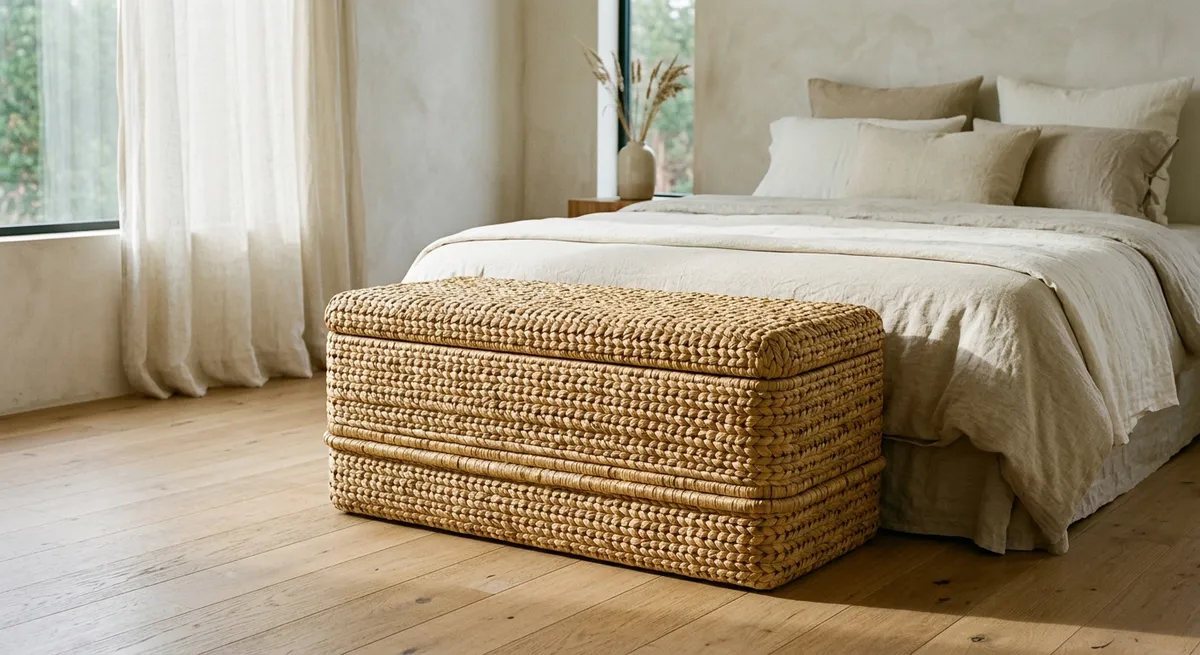
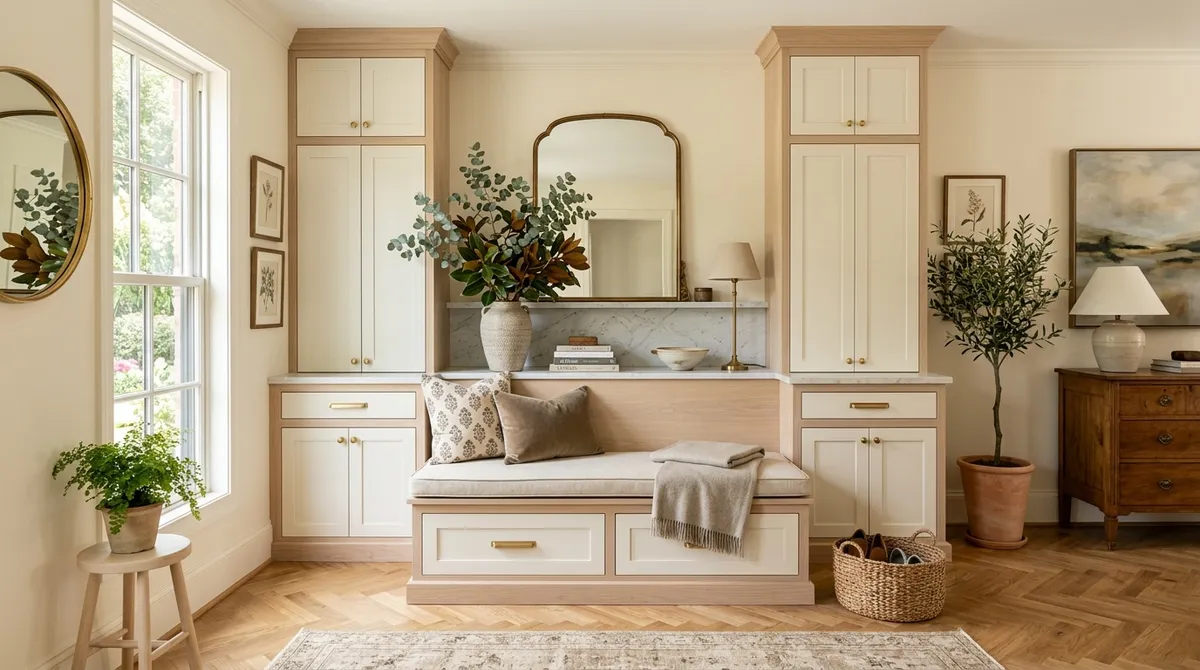
Designers are incorporating kitchen cabinetry into seven key areas throughout the home. In formal sitting rooms, these elements add structured storage while maintaining elegance. Entry areas benefit from cabinet-style chests that provide both function and visual weight.
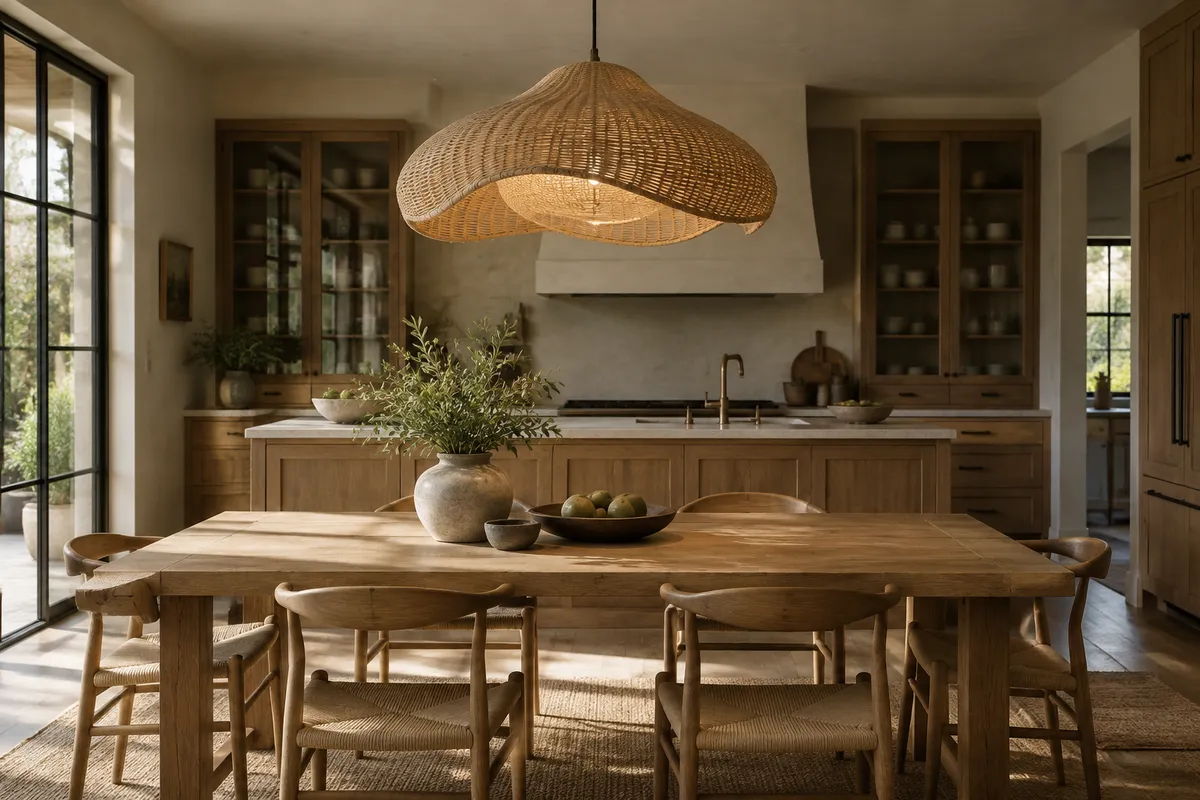
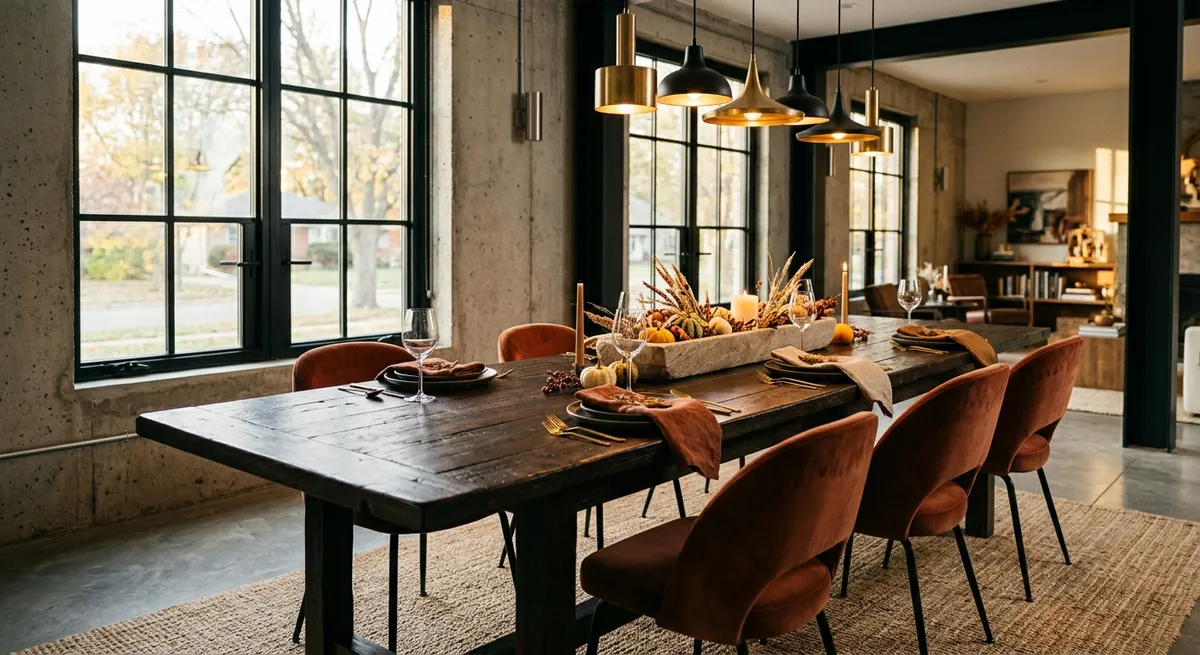
Mudrooms have become prime candidates for this design approach, where kitchen cabinet styling offers durability and organization. Banquette dining setups incorporate cabinet bases for built-in seating with hidden storage, while billiard rooms use cabinetry to house gaming accessories and bar essentials.
Unexpected Applications
Bathrooms represent one of the most surprising applications of this trend. Kitchen cabinet styling in bathrooms creates a cohesive, furniture-like appearance that elevates the space beyond typical vanity designs. Bay window seating areas also benefit from cabinet-style bases that provide both seating and storage while adding architectural definition to awkward spaces.
The Design Philosophy Behind the Trend
This movement aligns with current home design trends that favor maximalist, layered interiors where architectural details play a crucial role. According to reports, the approach offers homeowners an accessible way to elevate their spaces without undertaking major renovation projects.
The technique works because kitchen cabinets are designed with attention to proportion, hardware, and finish quality that translates well to other spaces. When properly adapted, they can appear as custom built-ins rather than repurposed kitchen elements.
Making It Work: Key Design Considerations
Success with this approach requires attention to specific design elements. Hardware selection plays a crucial role in making cabinetry feel intentional rather than out-of-place. Door profiles must complement the room's existing architectural elements.
Paint colors and finishes need careful consideration to ensure the cabinetry integrates seamlessly with the space's overall design scheme. The goal is creating elements that feel like custom furniture rather than obvious kitchen transplants.
Budget-Friendly Alternative to Custom Built-Ins
The trend offers significant cost advantages over traditional custom built-in solutions. Kitchen cabinetry provides the architectural impact of custom millwork at a fraction of the cost, making sophisticated design more accessible to average homeowners.
This approach particularly appeals to those seeking to add storage and visual interest simultaneously. Unlike purely decorative architectural elements, repurposed kitchen cabinets maintain their functional benefits while serving aesthetic purposes.
Room-by-Room Strategy
Different spaces require different approaches to cabinet integration. Bathrooms benefit from moisture-resistant finishes and hardware, while formal areas may require more refined door styles and premium hardware selections.
Mudrooms and entry areas can handle more casual styling, focusing on durability and function. Dining areas require careful attention to proportions to ensure cabinet elements don't overwhelm the space.
Implementation Considerations
Successful execution requires understanding which spaces work best for this design approach and why. The technique works particularly well in areas that benefit from additional storage or where built-in elements would naturally occur.
Homeowners should consider the room's existing architecture, lighting, and traffic patterns when planning cabinet placement. The goal is enhancing the space's natural characteristics rather than fighting against them.
Future of the Trend
As home design continues embracing layered, detail-rich interiors, this approach to repurposing kitchen elements throughout the home appears positioned for continued growth. The combination of aesthetic appeal, functional benefits, and budget-friendly implementation makes it attractive to both designers and homeowners seeking elevated design solutions.