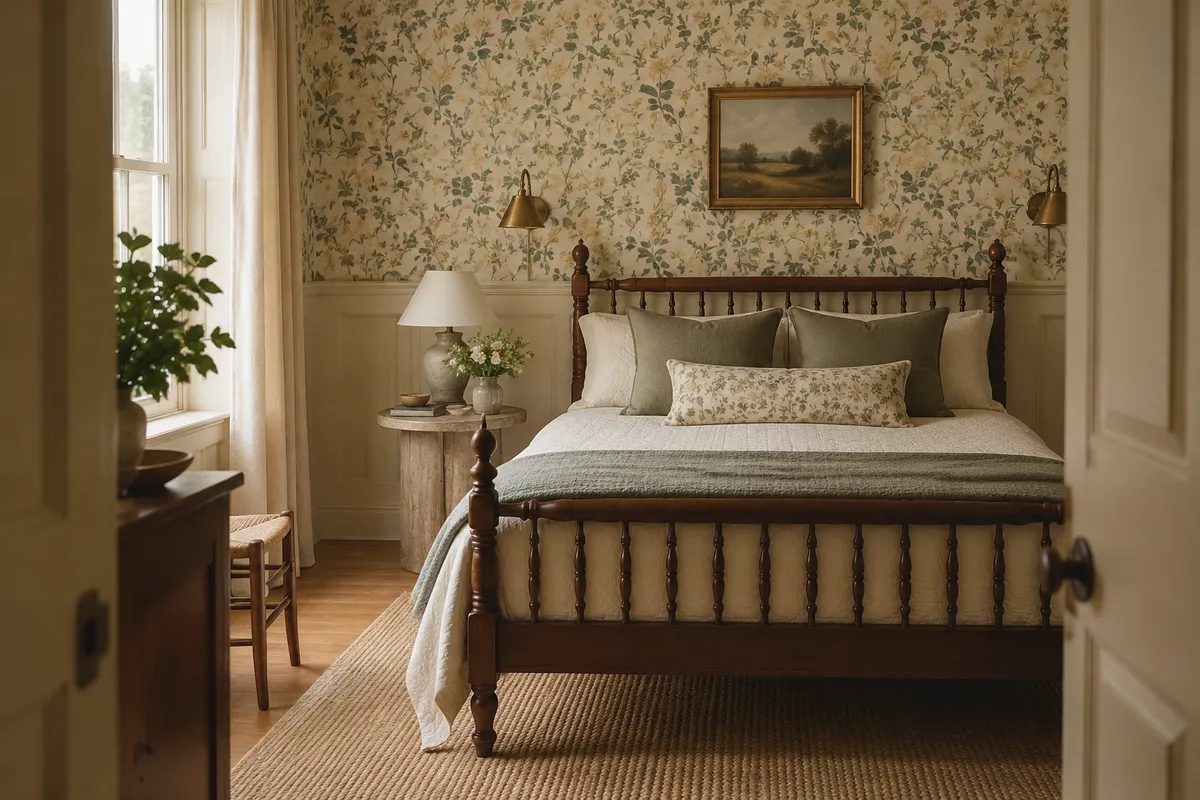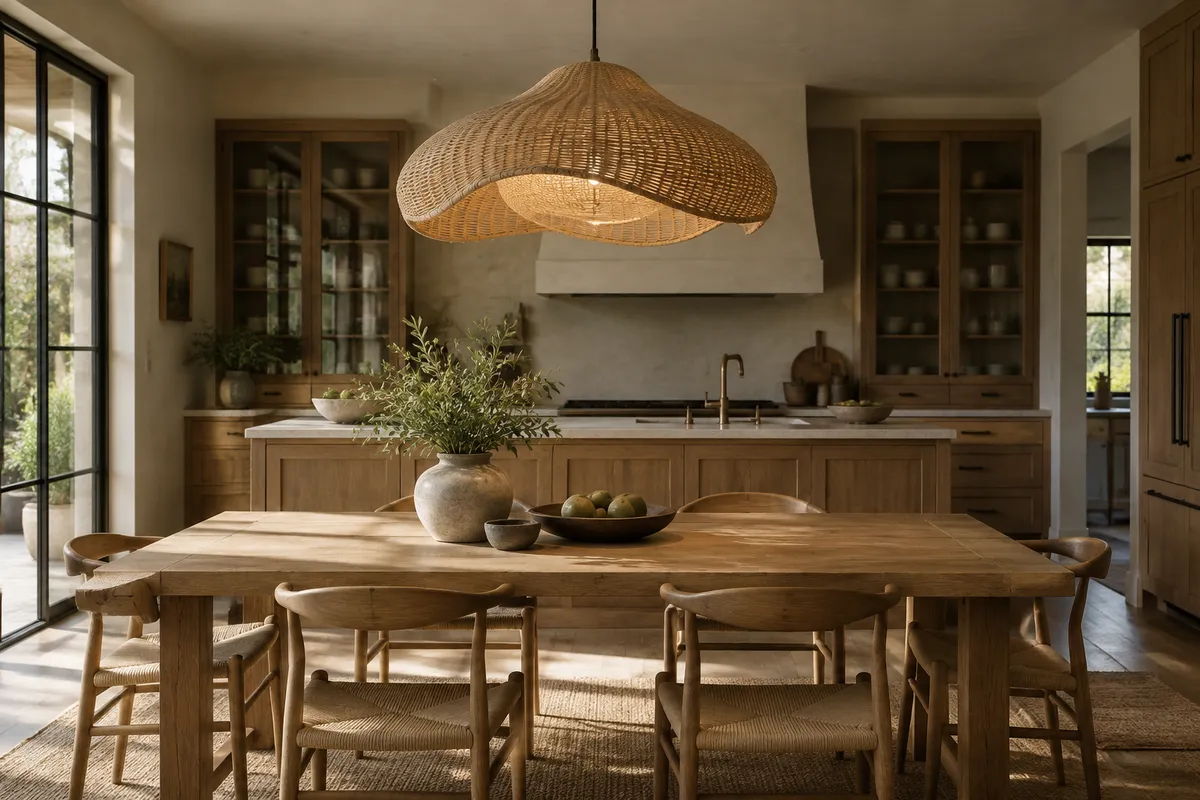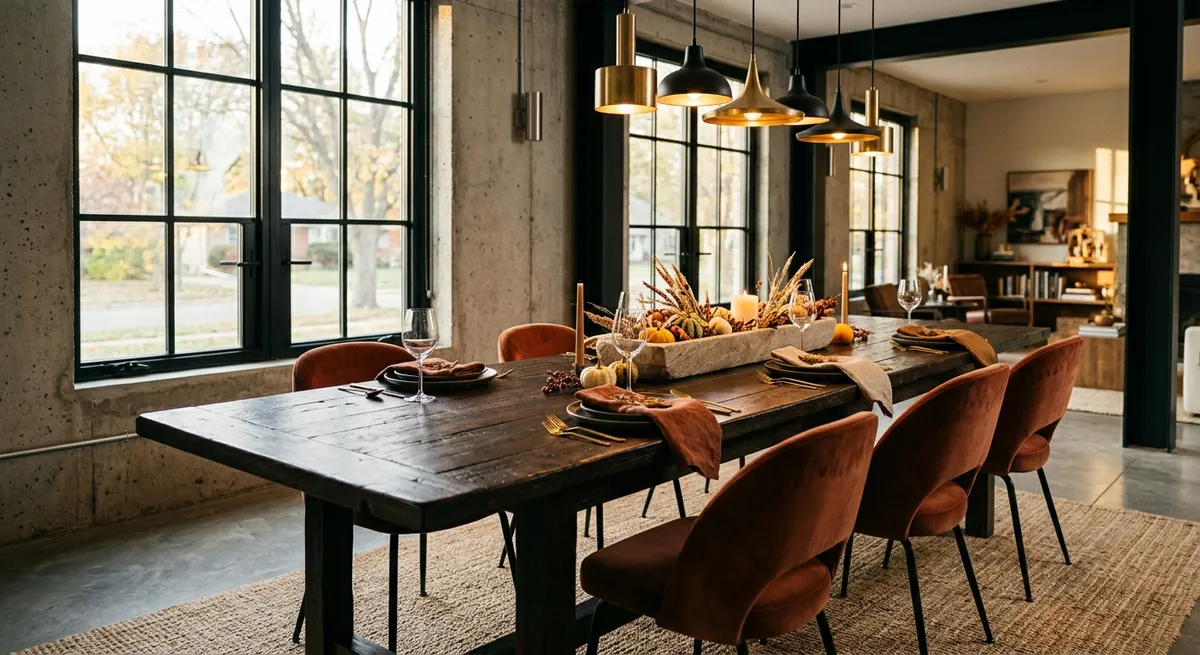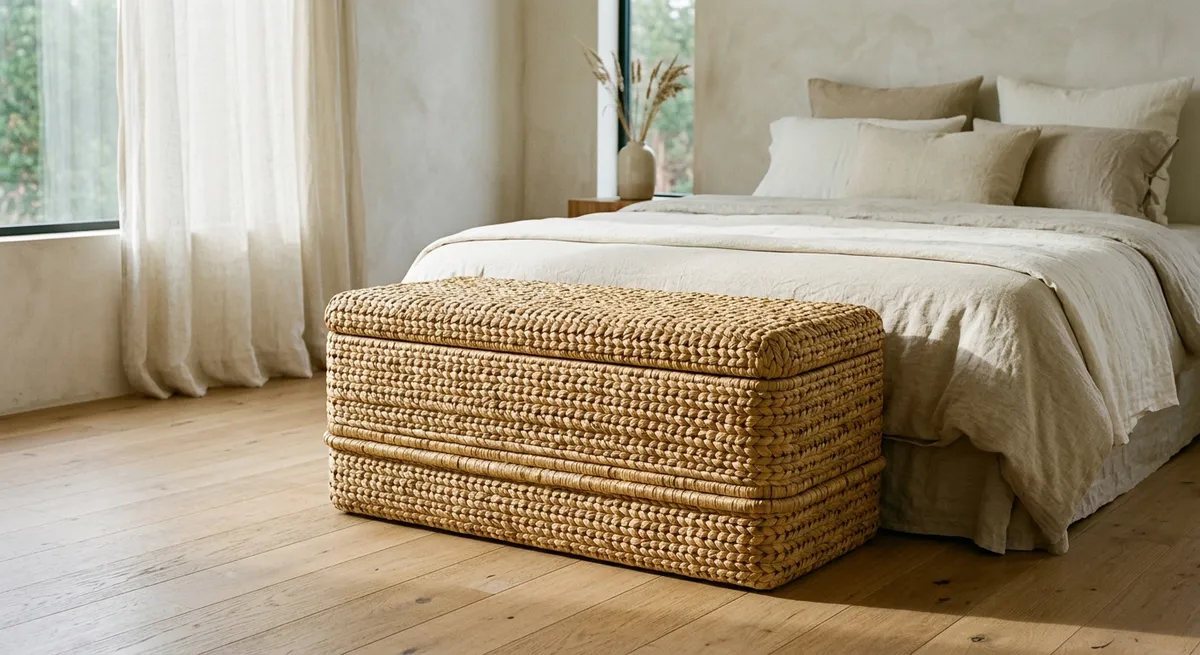
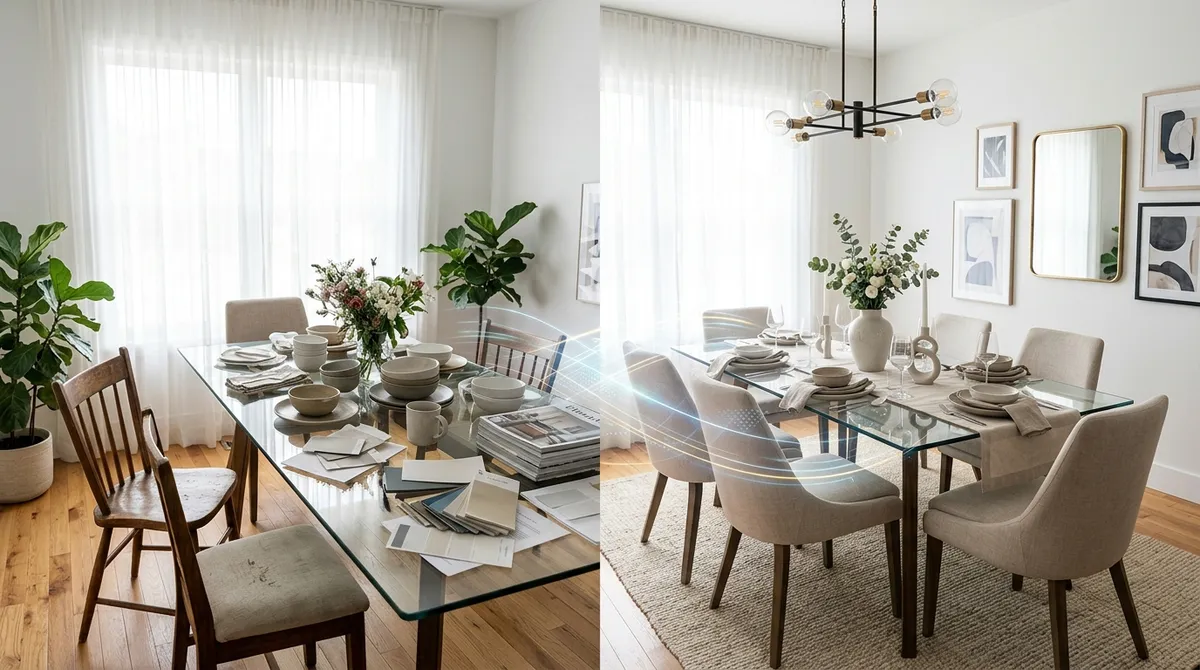
In a world where AI design tools are becoming increasingly accessible, you might be wondering how to make the most of them for your home. Recently, a design consultant explored the capabilities of these tools while redesigning a dining room. The outcome was compelling: by refining prompts to AI software, the results transformed from generic to personalized and stylish. If you’re looking to update your dining space—or any room—here’s how to effectively use AI design tools with clarity and purpose.
Understanding the Power of Specific Prompts
The consultant discovered that the effectiveness of AI largely depends on how you phrase what you want. When vague or generic requests were made, the outputs lacked character, coherence, and practicality. Instead, more defined questions drew impressive and applicable designs.
For instance, rather than asking, "Generate a dining room design," try a more detailed prompt like, "Design a family-friendly dining room for a space with low natural light, incorporating a large wooden table and colorful accents." This specificity helps the AI deliver designs that actually resonate with your vision.
Key Prompting Tips for Better Designs
Be Detailed: Always include fundamental aspects in your requests such as color schemes, textures, furniture styles, and the atmosphere you want to create. The clearer your image, the more aligned the AI’s design will be with your expectations.
Example: "Create an inviting dining room that combines a rustic farmhouse style with modern touches, including a reclaimed wood table and soft pastel walls."
Set Boundaries: Specify what should not be included or what styles you dislike. This prevents the AI from suggesting elements that may disrupt your overall vision.
Example: "Exclude dark colors and heavy furniture from the design."
Provide Context: Mention how you will use the space—whether it’s for family dinners, entertaining guests, or home office activities. This context allows the AI to provide functional solutions.
Example: "Design a multifunctional space that serves as both a dining area and a home workspace for two."
Iterate on Designs: Use the AI-generated designs as a starting point. Don’t hesitate to modify your prompts based on initial outputs. If you’re not satisfied, tweak your descriptions and refine your requests until you reach a design you love.
Combine AI and Human Taste: Remember, AI works best with human input. Use it to visualize ideas but let your personal taste guide final decisions. Think of AI as a brainstorming partner rather than a stand-alone solution.
From Renderings to Reality
Once your AI design feels right, prepare to bring it to life. Start translating your chosen design into a actionable shopping list. Take notes on items like furniture, color palettes, and decorative pieces suggested by the AI. Search for similar items within your budget to replicate the essence of your virtual design. If the AI suggests a statement chandelier, look at local shops or online options that can emulate that style.
Conclusion: Embrace AI with a Personal Touch
Using AI design tools can be a fantastic way to jumpstart your decorating journey, but how you prompt these tools will directly affect the results. With specific and thoughtful requests, you can uncover designs that elevate your home. Remember, while AI can inspire your room makeover, your unique vision and style will always guide the ultimate transformation. So get creative, have fun with it, and let your dining room reflect who you are—one prompt at a time!