Global Designers Transform Chelsea Harbour Showcase
WOW!house has returned for its fifth year at Design Centre Chelsea Harbour, presenting an expanded showcase of 22 rooms and outdoor spaces that promise to inspire home decorators seeking fresh ideas for 2026. According to reports, the prestigious design showcase features work from both established and emerging designers from around the globe.
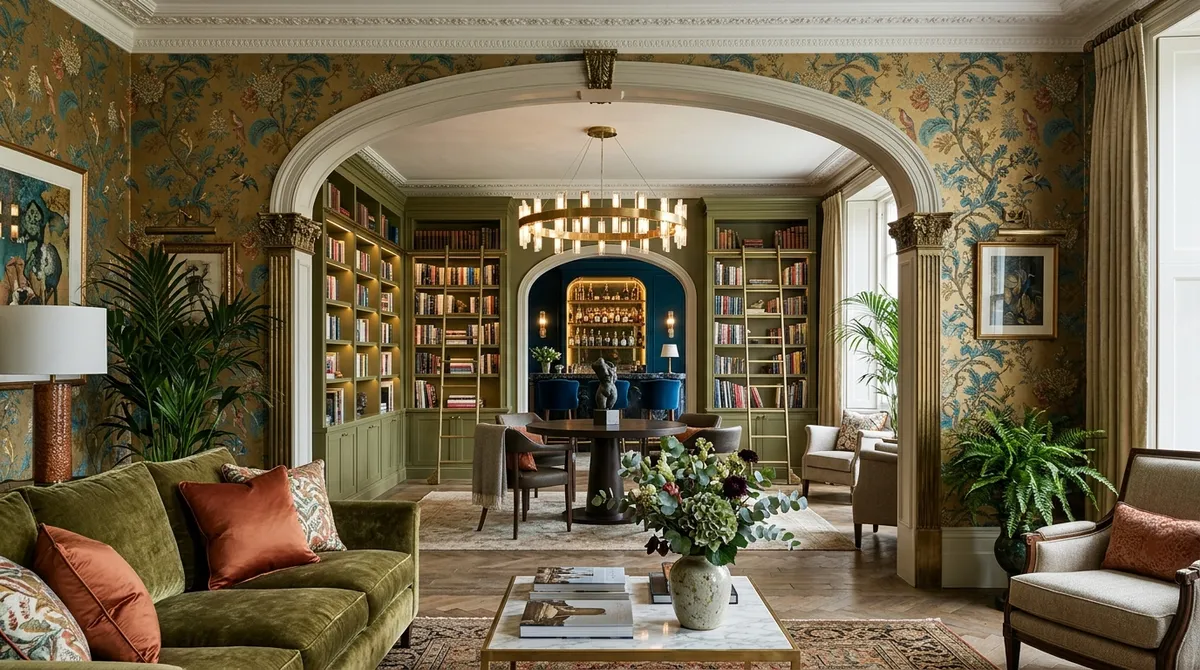
The 2026 edition offers remarkable diversity in design inspiration, spanning from traditional Georgian drawing rooms and Mediterranean courtyards to more contemporary interpretations including sculptural libraries and luxury bars. This range demonstrates how different design philosophies can be adapted for various home spaces and personal tastes.
Featured Spaces and Designers
The showcase includes several standout installations that highlight different approaches to interior design. Garden Folly spaces feature contributions from Darren Price of Adam Architecture for the facade work, while Studio Enass has created the interior room design. The outdoor spaces are further enhanced by The Gardenists, who designed the Artorius Faber Entrance Garden.
Indoor spaces showcase equally impressive talent, with Francis Sultana designing the Entrance Hall and Albion Nord creating the Turnell & Gigon Group Drawing Room. For those interested in unique functional spaces, Roisin Lafferty has designed the Shepel' Library, while Elicyon presents the Lalique Home Bar.
Design Influences and Trends
Reports indicate that this year's showcase emphasizes diverse cultural influences that homeowners can incorporate into their own spaces. The design palette draws from neoclassical elements, North African textiles, Japanese woodwork, and Korean folk art, creating a rich tapestry of global design inspiration.
These varied influences suggest that 2026's interior design trends are moving toward more eclectic, culturally-informed spaces that blend traditional craftsmanship with contemporary sensibilities. Home decorators can draw from these global elements to create more personalized and meaningful interiors.
Sustainability and Craftsmanship Focus
According to reports, the showcase demonstrates how luxury brands and emerging talent are pushing boundaries in interior design while emphasizing two key principles: craftsmanship and sustainable reuse. This approach shows how designers are creatively reworking elements from previous years, offering homeowners ideas for refreshing their spaces without complete overhauls.
The focus on sustainable reuse provides practical inspiration for budget-conscious decorators who want to achieve high-end looks through creative repurposing and thoughtful updates to existing pieces.
Practical Applications for Home Decorators
The diverse range of spaces offers something for every home and style preference. From the theatrical moments captured in luxury bar designs to the unexpected details found in sculptural libraries, homeowners can extract specific elements that work within their own budgets and space constraints.
The Mediterranean courtyard concepts can inspire outdoor living space improvements, while the Georgian drawing room designs offer timeless elegance that translates well to formal living areas. Even apartment dwellers can draw inspiration from the library and bar concepts to create dedicated spaces for relaxation and entertainment.
Looking Ahead to 2026 Trends
As design enthusiasts and professionals actively seek fresh inspiration heading into 2026, this expanded showcase serves as a significant indicator of where luxury interior design is heading. The emphasis on global influences, sustainable practices, and diverse cultural elements suggests that personal expression and environmental consciousness will continue to drive interior design decisions.
The WOW!house showcase continues to serve as a valuable resource for both professional designers and home decorators looking to understand how high-end design concepts can be adapted for various spaces and budgets. The blend of established and emerging talent ensures that the inspiration remains both aspirational and accessible for different design approaches.