The Generational Divide in Bathroom Design
A growing tension is emerging in bathroom renovation trends, with many boomer homeowners expressing strong disapproval of the ultra-minimal wet room aesthetic that has dominated luxury bathroom design in recent years. According to reports, these stark, clinical spaces are being rejected by older homeowners who find them too cold and hotel-like for comfortable daily living.
The wet room trend, characterized by its spa-inspired design with stark white surfaces and minimal separation between spaces, represents a significant departure from the warmer, more traditional bathroom layouts that boomers prefer. This generational divide is creating important considerations for homeowners planning bathroom renovations, particularly as multigenerational design and aging-in-place priorities become increasingly important factors in home improvement decisions.
Understanding the Boomer Perspective
Many boomer homeowners are drawn to bathroom designs that prioritize warmth, texture, and classic details over sleek minimalism. According to reports, these homeowners prefer spaces that feel more homey rather than institutional, favoring design elements that create separation, visual interest, and functional comfort.
The preference extends beyond mere aesthetics to practical considerations. Boomers often value bathroom layouts that offer clear zones for different activities, with distinct areas for bathing, grooming, and storage. This contrasts sharply with the open, flowing design of wet rooms where boundaries between spaces are deliberately blurred or eliminated.
The Investment Perspective
Bathroom remodels continue to represent one of the highest return-on-investment home upgrades available to homeowners. However, this financial reality creates a challenging dynamic when trend-driven design choices clash with what older homeowners actually want to live with daily. The tension becomes particularly pronounced when considering that comfort, warmth, and usability are proving to be just as important as sleek aesthetics in creating valuable, livable spaces.
This shift in priorities reflects a broader movement toward more thoughtful, user-centered design approaches that consider long-term livability alongside contemporary style trends.
The Rise of Warm Minimalism
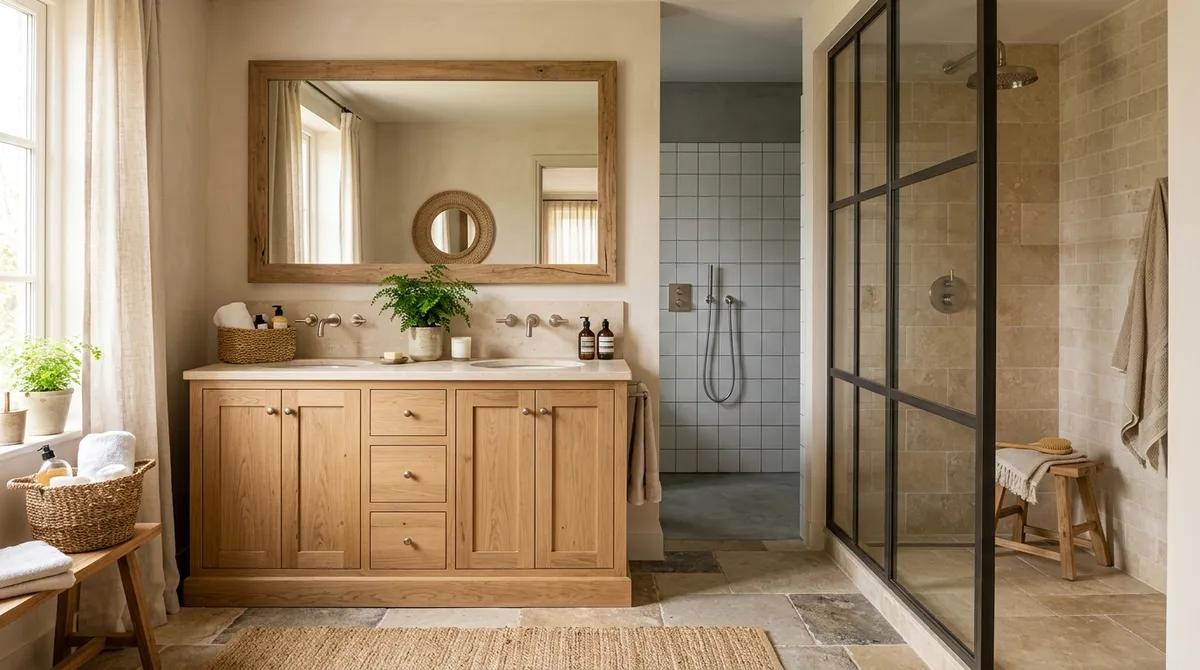
The growing disconnect between ultra-minimal trends and boomer preferences is creating opportunities for what design experts are calling "warm minimalism" in bathroom design. This approach seeks to achieve a modern, uncluttered look without sacrificing the comfort and warmth that make a space feel like home.
Warm minimalism incorporates clean lines and efficient layouts while introducing elements like natural textures, softer color palettes, and thoughtful details that add visual and tactile interest. This design philosophy allows homeowners to embrace contemporary functionality without creating spaces that feel sterile or unwelcoming.
Alternatives to Wet Room Design
For homeowners seeking modern bathroom updates without the stark aesthetic of wet rooms, several alternative approaches are gaining traction. These solutions often focus on creating defined zones within the bathroom space while maintaining clean, updated appearances.
Traditional shower enclosures with contemporary finishes offer one popular alternative, providing the separation that many boomers prefer while still achieving a modern look. Additionally, incorporating natural materials, warmer color schemes, and classic details can help bridge the gap between contemporary functionality and timeless appeal.
Budget-Friendly Softening Solutions
Homeowners looking to modify existing clinical bathroom designs or avoid overly stark new installations can implement several budget-conscious strategies. Adding texture through materials like wood accents, natural stone, or textured tiles can immediately warm a space without requiring major structural changes.
Color choices also play a crucial role in creating a more welcoming atmosphere. Moving away from pure white schemes toward warmer neutrals, soft grays, or even subtle color accents can transform the feel of a bathroom while maintaining a clean, modern appearance.
Looking Forward
As the design industry continues to evolve, the tension between trendy aesthetics and practical comfort is likely to drive innovation in bathroom design. The growing emphasis on aging-in-place considerations and multigenerational living suggests that future bathroom trends may need to balance contemporary style with the warmth and functionality that make spaces truly livable for users of all ages.
This shift represents an important reminder that successful interior design must consider not just visual impact but also the daily experience of the people who use the space. For bathroom renovations, this means finding ways to achieve modern functionality and style without sacrificing the comfort and warmth that make a house feel like home.