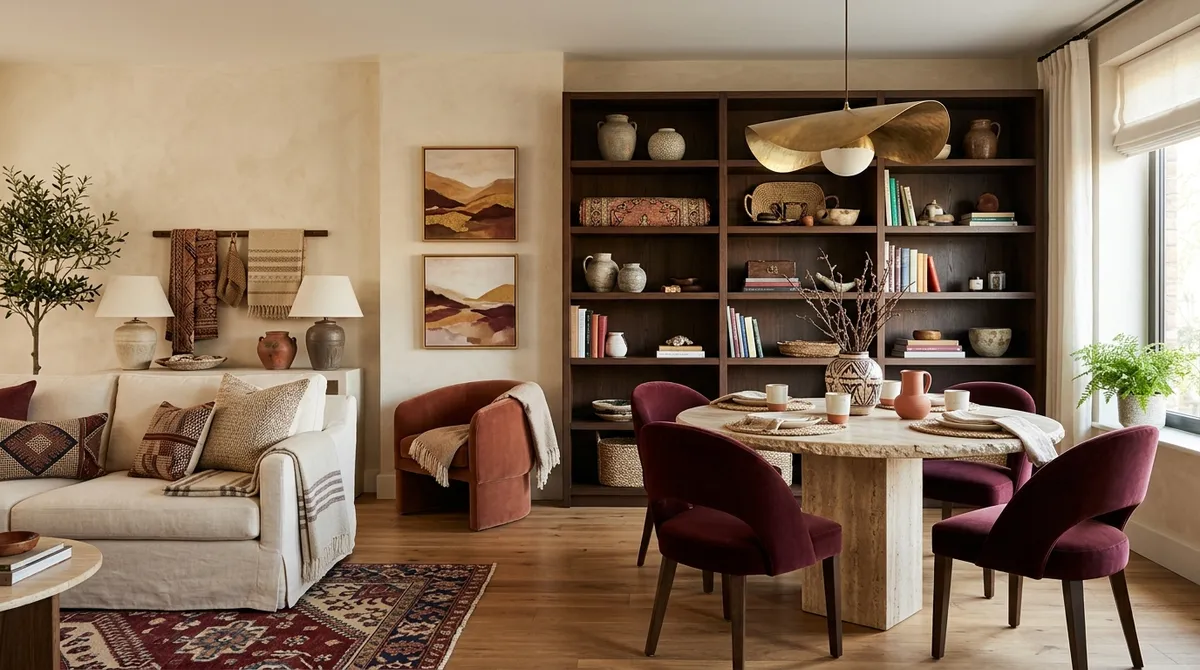
The Rise of Travel-Inspired Interior Design
According to reports, a growing number of homeowners are turning to their travel experiences and adventurous spirits to inspire their interior design choices. This trend reflects a broader movement toward creating personal, story-driven spaces that feel authentically collected rather than generic or overly themed.
The concept centers around reimagining rooms to reflect the homeowners' love of travel and adventure, transforming living spaces into curated environments that tell personal stories through design elements.
Creating Collected Interiors Without the Clutter
One of the key challenges in travel-inspired design lies in achieving the right balance between meaningful collections and souvenir clutter. According to reports, the goal is to create spaces that feel elevated and intentional rather than overwhelming or cluttered with travel memorabilia.
This approach requires careful curation of travel-inspired elements, focusing on pieces that contribute to the overall design aesthetic while maintaining the personal connection to adventures and experiences. The result is an interior that feels both sophisticated and deeply personal.
Translating Adventure Into Design Elements
Travel-inspired interior design goes beyond simply displaying souvenirs from various destinations. According to reports, homeowners are exploring adventure-inspired color and texture ideas that capture the essence of their travel experiences without relying heavily on literal representations.
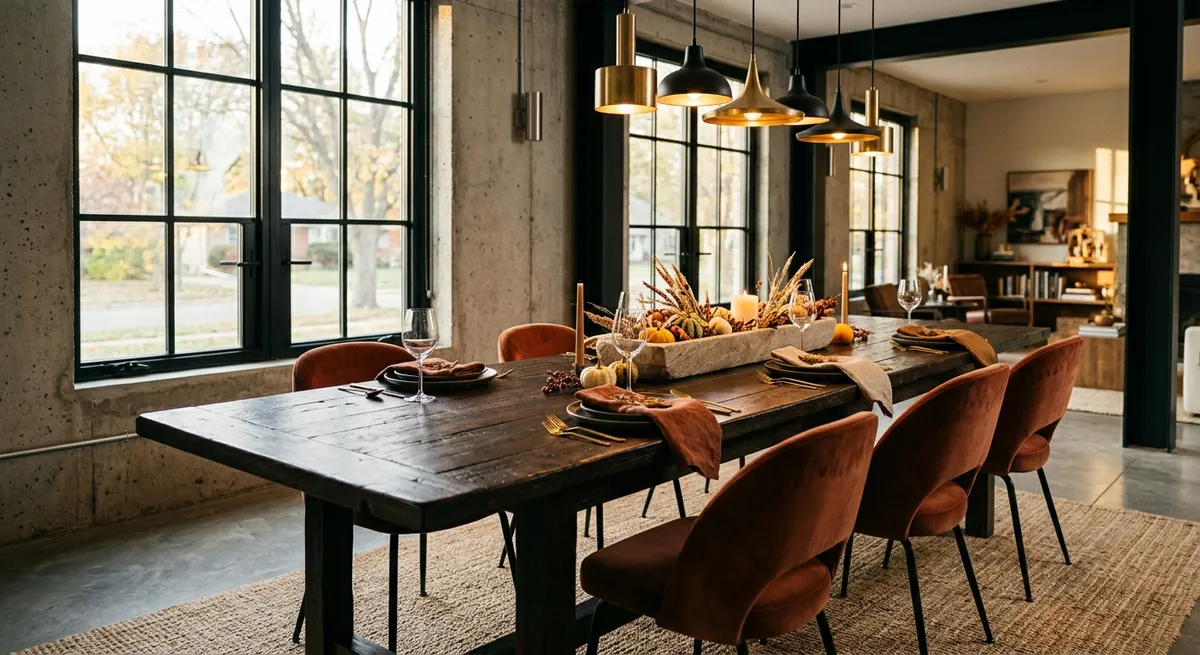
This might involve incorporating rich, earthy tones reminiscent of desert landscapes, or textures that evoke memories of coastal adventures. The key is to translate the emotional and sensory experiences of travel into design choices that enhance the living space.
Building Rooms Around Travel Stories
The most successful travel-inspired interiors are those that are designed around specific travel stories and experiences. According to reports, this approach allows homeowners to create cohesive spaces that feel intentional and meaningful rather than haphazard collections of travel artifacts.
By focusing on particular adventures or destinations that hold special significance, homeowners can develop color palettes, select furniture pieces, and choose decorative elements that work together to tell a unified story while maintaining functionality and style.
Turning Personal History Into Home Style
This design approach represents a broader trend toward personalization in home décor, where homeowners are seeking to infuse their living spaces with elements that reflect their individual journeys and experiences. According to reports, this movement toward personal, story-driven spaces continues to resonate as people look for ways to make their homes feel more authentic and meaningful.
The appeal lies in creating interiors that serve as ongoing reminders of adventures and experiences, while also providing comfortable, functional living spaces that can be enjoyed daily.
The Appeal of Authentic Design
Travel-inspired design offers an alternative to mass-produced décor trends by encouraging homeowners to draw from their own experiences and memories. According to reports, this approach results in spaces that feel genuinely collected over time, rather than purchased all at once from a single retailer.
This authenticity is particularly appealing to homeowners who want their spaces to reflect their personalities and life experiences, creating homes that tell their unique stories through thoughtful design choices.
Making It Work in Any Space
The beauty of travel-inspired design lies in its adaptability to different spaces and budgets. Whether working with a single room or an entire home, homeowners can incorporate elements that reflect their adventurous spirit and travel experiences in ways that enhance rather than overwhelm their living spaces.
According to reports, the key is focusing on creating elevated interiors that feel both personal and sophisticated, proving that meaningful design doesn't require expensive renovations or extensive collections of travel artifacts.