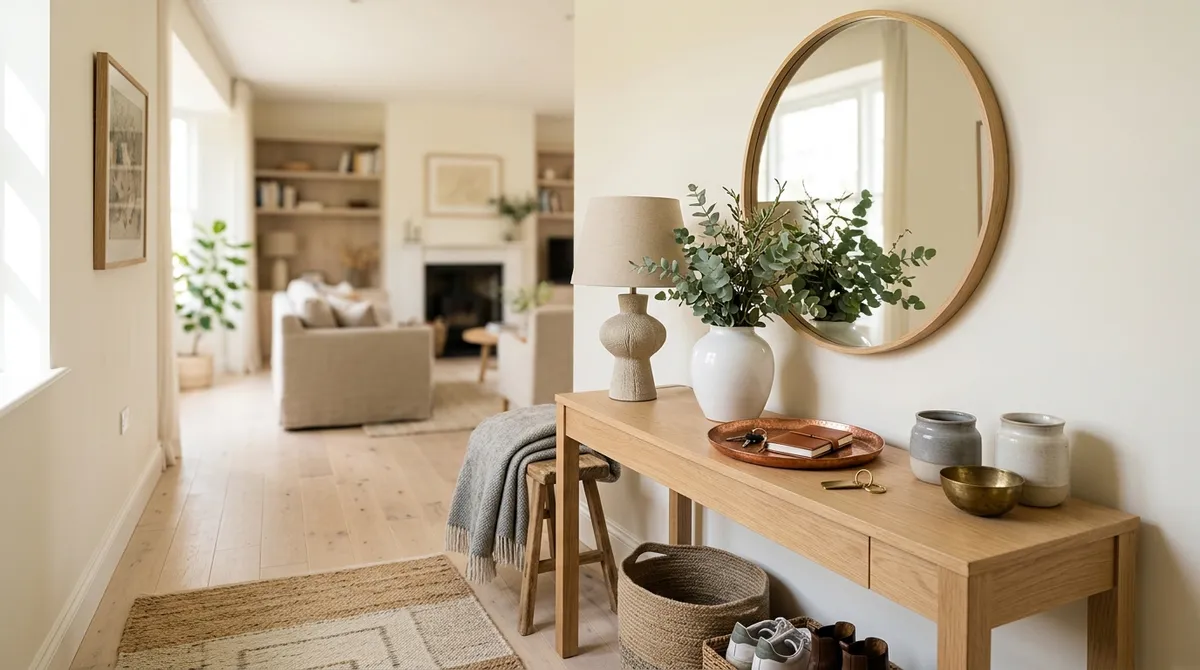
The Overlooked Space That Makes the Biggest Impact
While homeowners often focus their design energy on living rooms and bedrooms, interior designers are sounding the alarm about a frequently neglected area: the entryway. According to reports, this small but mighty space plays a crucial role in both the psychological and functional aspects of home design, yet it's consistently undervalued by homeowners.
Why Entryways Matter More Than You Think
Interior design experts emphasize that entryways serve as the critical first impression for any home. According to reports, this space sets the tone for a guest's entire experience and can dramatically influence how your home feels from the moment someone steps inside.
The psychological importance of entryways extends beyond guest impressions. Designers note that these transitional spaces help homeowners mentally shift from the outside world to their personal sanctuary, making them essential for daily well-being and routine.
The Post-Pandemic Design Boom
The renewed focus on entryway design comes at a time when home design content is experiencing unprecedented growth. According to reports, people are investing more heavily in their living spaces following the pandemic, creating new opportunities for homeowners to reimagine these transitional areas.
This trend reflects a broader shift in how we view our homes—not just as places to sleep, but as complete environments that should function beautifully from the moment we enter.
Functional vs. Beautiful: Finding the Balance
Designers emphasize that effective entryway design must balance both aesthetic appeal and practical functionality. According to reports, the most successful entryways incorporate elements that serve daily needs while creating visual impact.
Key considerations include storage solutions for everyday items, lighting that welcomes guests and residents alike, and design elements that reflect the home's overall aesthetic. The entryway should feel cohesive with the rest of the home while serving its unique transitional purpose.
Budget-Friendly Transformation Potential
One of the most appealing aspects of entryway design is its potential for dramatic impact with relatively modest investment. According to reports, small design changes in this space can dramatically shift a home's first impression, making it an ideal starting point for homeowners looking to refresh their spaces without major renovation.
Designers suggest focusing on essential elements that provide the biggest visual and functional impact. These might include proper lighting, strategic storage solutions, and decorative elements that immediately communicate the home's style and personality.
Setting the Tone for Your Entire Home
According to reports, entryway design often reflects or establishes the aesthetic direction for the rest of the home. This makes it a crucial starting point for homeowners developing their overall design vision.
Designers note that a well-designed entryway can serve as a preview of what guests will experience throughout the home, creating anticipation and establishing a clear design narrative from the very first step inside.
The Daily Experience Factor
Beyond first impressions, interior design experts highlight how improved entryway design can transform daily routines. According to reports, homeowners often discover that a better-designed entryway changes their everyday experience of coming home.
This functional improvement extends to practical elements like organized storage for keys, mail, and seasonal items, as well as psychological benefits from entering a space that feels intentionally designed and welcoming.
Making Your Entryway Work
Designers recommend approaching entryway design with both immediate needs and long-term vision in mind. The space should accommodate daily functions while creating the emotional impact you want for your home.
According to reports, successful entryway design considers factors like traffic flow, storage needs, lighting requirements, and the overall aesthetic relationship to adjacent spaces. The goal is creating a transition that feels both practical and inspiring, setting the stage for everything that follows in your home.